
What really happens during the menstrual cycle?
The menstrual cycle consists of various hormones that prepare the body each month for a possible pregnancy. It also affects energy, mood, and overall health. Beyond just menstruation, its four phases provide valuable insights into general wellness when monitored closely. Here are the science, symptoms, and benefits of understanding this natural process.
The Four Phases Explained
The average menstrual cycle lasts 28 days, though it can range from 24 to 38 days, beginning on day 1 of bleeding. Hormones, including follicle-stimulating hormone (FSH), luteinizing hormone (LH), estrogen, and progesterone, cause changes during the menstrual (days 1-5), follicular (days 1-13), ovulation (day 14), and luteal (days 15-28) phases.

1. Menstrual Phase:
Low levels of estrogen and progesterone lead to shedding the uterine lining, resulting in cramps from prostaglandins and about 30ml of blood loss. Common symptoms are fatigue, headaches, and bloating, which overlap with the start of the follicular phase.
2. Follicular Phase:
FSH stimulates the growth of ovarian follicles, while rising estrogen rebuilds the endometrium. This increases energy and cervical mucus to promote fertility. This phase varies the most in length.
3. Ovulation Phase:
A surge in LH releases the egg, marking the peak of the fertile window. This is often associated with stretchy cervical mucus and possibly one-sided pain known as mittelschmerz.
4. Luteal Phase:
The corpus luteum forms and secretes progesterone to maintain the endometrium. This phase lasts a fixed 14 days and can bring symptoms of PMS if pregnancy does not occur.
Hormonal Changes Behind the Cycle
The hypothalamus releases gonadotropin-releasing hormone (GnRH), which triggers the pituitary gland to release FSH and LH. Estrogen thickens the uterine lining and peaks just before ovulation, while progesterone stabilizes it afterward. Imbalances can disrupt cycles, but monitoring can help identify patterns.
On a positive note, balanced hormones can improve mood during the rise of the follicular phase, which often aligns with increased productivity. For those experiencing discomfort, sustainable options like Avni Wellness products can help maintain this balance.
Common Symptoms & How to Manage Them (Phase-wise)
Each phase of the menstrual cycle brings different hormonal changes and symptoms. Knowing what to expect can help you care for your body better.
1. Menstrual Phase
Common symptoms:
- Cramps (experienced by ~80% of people)
- Fatigue, lower energy
Care tips:
- Use heat pads for cramp relief
- Stay hydrated
Gentle period care matters during this phase. Avni Wellness offers sanitary pads made with 100% cotton layers and antimicrobial technology to reduce irritation and help prevent infections.
2. Follicular Phase
Common symptoms:
- Rising energy and focus
- Lighter, more positive mood
Care tips:
- Eat balanced meals
- Support your body with light movement and good sleep
3. Ovulation Phase
Common symptoms:
- Increased libido
- Mild pelvic twinges in some people
Care tips:
- Stay active if you feel energetic
- Choose breathable underwear for comfort
4. Luteal Phase
Common symptoms:
- Bloating and breast tenderness
- PMS or mood changes
Care tips:
- Drink plenty of water to reduce bloating
- Use reliable overnight protection
Reusable options like Avni Heavy Duty Period Panty, made with bamboo fabric, absorb heavy flow for over 10 hours, are leak-proof, reusable for up to two years, and help prevent rashes
Irregularities: Causes and Solutions
Cycles shorter than 21 days (polymenorrhea) or longer than 35 days (oligomenorrhea) may indicate underlying issues. Possible causes include PCOS, thyroid disorders, elevated stress from high cortisol levels, extreme physical exercise, or weight fluctuations.
Conditions like pelvic inflammatory disease or fibroids can worsen bleeding. Solutions involve lifestyle changes, such as a balanced diet and exercise, which can help regulate 20-30% of cases. Hormonal birth control can help regularize cycles, while metformin may assist those with PCOS.
In more severe cases, surgery like fibroid removal or endometrial ablation may be necessary. It's useful to track symptoms with apps for insights that help doctors identify potential issues early and avoid complications.
What are the Benefits of Cycle Tracking?
Logging menstrual cycles can predict ovulation and fertile days, typically between days 10-17. It also highlights health concerns, like heavy bleeding over 80ml. Noticing patterns in mood, energy, and cravings can aid in planning-optimal times for workouts during the follicular phase and rest during the luteal phase.
For couples looking to conceive, tracking can reduce the average time needed from six months to three. Monitoring can help spot conditions like PCOS and endometriosis early and manage PMS effectively. Apps can help track basal temperature and mucus for more accurate predictions.
Consider incorporating Avni Wellness products. The Avni Menstrual Cup, with a capacity of 25-36ml, tracks flow volume accurately and is made from medical silicone to prevent toxic shock syndrome. This cup is reusable for four years.
Avni Wellness Products for Every Phase
Enhance your cycle care with eco-friendly innovations from Avni. The Lush Reusable Cloth Pads are made from antimicrobial fabric that kills 99.9% of germs. They snap on and wash easily, lasting for up to 100 washes.
Detailed Usage Guide:
- Pads/Panties: Position them correctly with your underwear and change every 4-8 hours. For stains, soak in cold water with Avni detergent and machine wash at 40°C.
- Cup: Boil to sterilize it monthly, fold to insert, and empty every 12 hours. Rinse with wipes after each use.
Benefits:
- Leak-free confidence can improve mental health during PMS.
- Antifungal properties reduce UTIs by 70% compared to disposable products.
- Sustainable use saves around 20,000 pads over a lifetime and is gentle on sensitive skin.
Lifestyle Tips for Cycle Harmony
Align your activities with the phases: use the high energy of the follicular phase for cardio and the calm of the luteal phase for yoga. Eat iron-rich foods like spinach to combat anemia and include omega-3 fatty acids to ease cramps. Getting 7-9 hours of sleep helps stabilize cortisol levels.
Managing stress through practices like meditation can help prevent cycle delays. Supplements such as magnesium may ease PMS symptoms, but it's important to consult a doctor. For active individuals, maintain a balanced exercise routine to avoid amenorrhea.
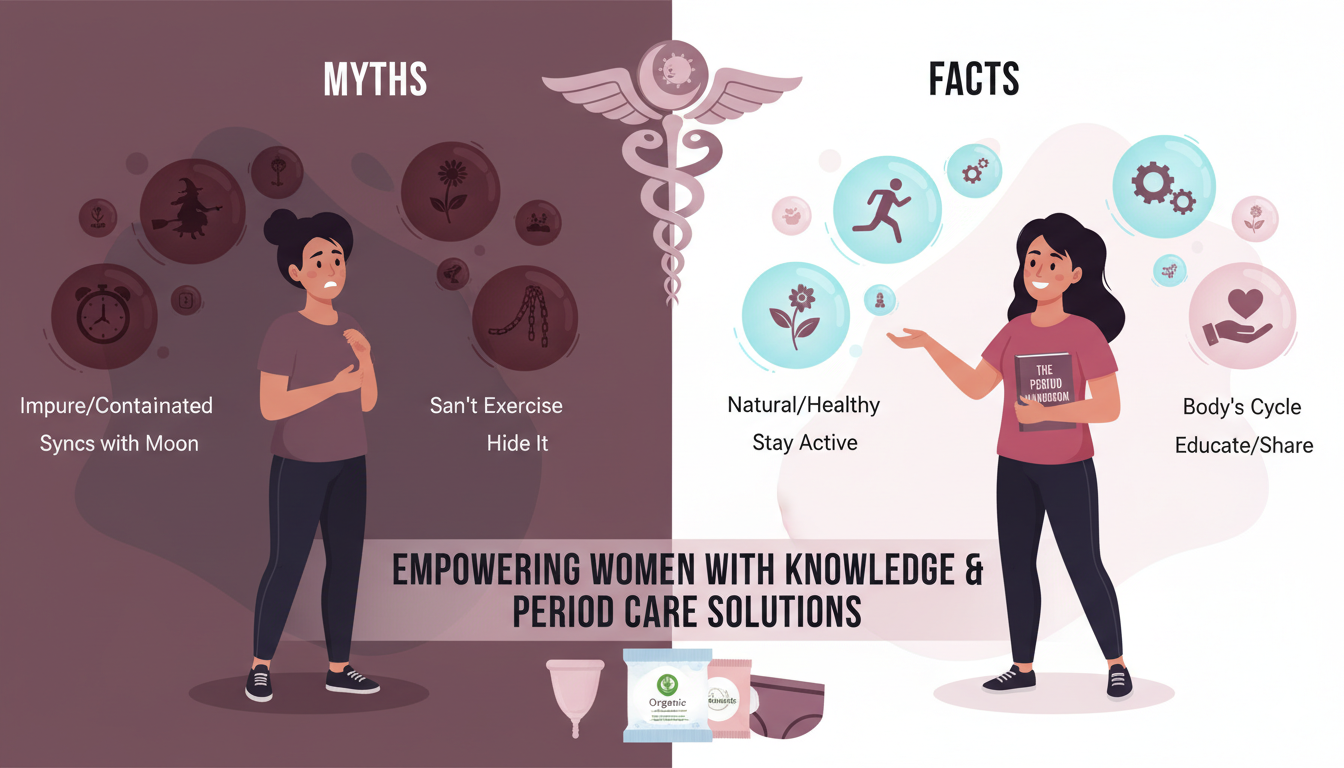
Myths Busted
- Myth: A 28-day cycle is "normal"; actually, cycles can range from 21 to 35 days.
- Myth: Periods sync with friends; this is just coincidence.
- Myth: Exercise worsens cramps; moderate activity can actually help by releasing endorphins.
Empower Your Cycle Journey
Tracking your cycle turns uncertainty into understanding. This allows you to spot issues early and take proactive steps for better health. Combine your knowledge with tools like Avni Wellness for more comfortable and eco-friendly periods. Consult with gynecologists for personalized advice tailored to your cycle.
FREQUENTLY ASKED QUESTION:
1. What is a normal menstrual cycle length?
A normal menstrual cycle lasts 21 to 35 days, counting from the first day of one period to the next. The average cycle is 28 days, but teens and perimenopausal women may experience more variation, sometimes extending up to 45 days. Cycles shorter than 21 days or longer than 35 may indicate possible issues like hormonal imbalances, so it’s good to track your cycle with apps to spot patterns. During the luteal phase, which lasts 14 days, keeping a consistent schedule can help with fertility planning. Products like Avni Wellness pads can support comfortable monitoring.
2. Why do I get cramps during my period, and how can I manage them?
Cramps occur because of prostaglandins that cause contractions in the uterus during menstruation to shed its lining. Up to 90% of women experience pain, with the worst discomfort usually occurring on the first two days. Heat therapy, staying hydrated, and eating magnesium-rich foods can help relieve symptoms. Avni Natural Sanitary Pads use chemical-free cotton to reduce additional irritation, improving flow management. Severe pain may suggest endometriosis, so it’s wise to see a doctor if over-the-counter relief doesn’t work.
3. What causes irregular periods, and when should I see a doctor?
Irregular periods can include skipped cycles (amenorrhea for more than 90 days), heavy bleeding (over 80ml), or inconsistent timing. These issues can stem from stress, PCOS, thyroid problems, or weight changes that disrupt the balance of FSH and LH throughout the cycle. Keep track of your cycles for three months. If you miss three or more periods, experience bleeding that lasts longer than seven days, or notice large clots, seek medical attention, as early treatment can prevent further complications. The Avni Reusable Menstrual Cup can help you measure your flow accurately during diagnosis.



Leave a comment
This site is protected by hCaptcha and the hCaptcha Privacy Policy and Terms of Service apply.