PCOS vs PCOD - They're Not the Same Thing, Here's the Difference
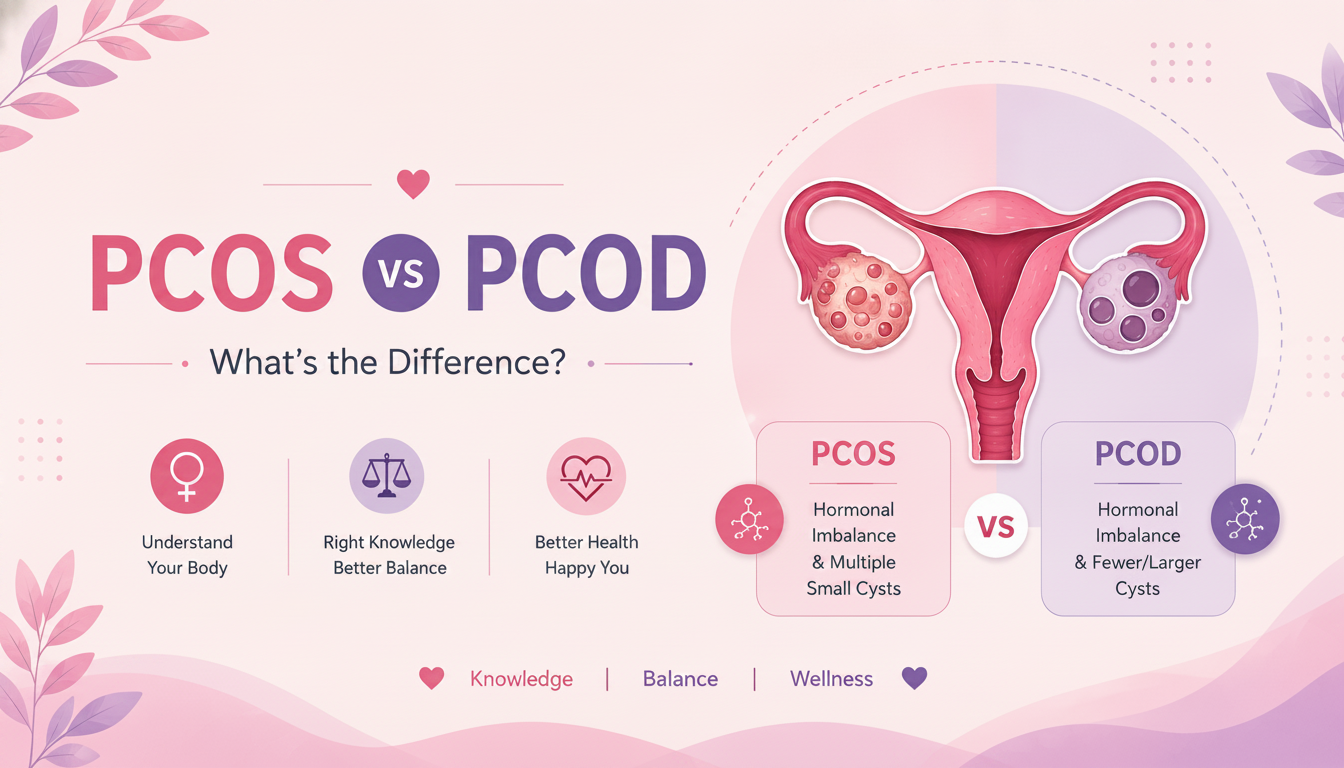
Many women use PCOS and PCOD interchangeably. However, these two conditions are not exactly the same. Understanding the PCOS vs PCOD difference can help women make informed decisions about their health, fertility, and lifestyle.
Hormonal disorders are becoming increasingly common among women of reproductive age. Irregular periods, weight gain, acne, and fertility concerns often lead to confusion between PCOS and PCOD. While both conditions affect the ovaries, their causes, severity, and long-term health implications differ significantly.
In this guide, we will explain the difference between PCOS and PCOD, discuss pcos causes, explore the reason of pcod, and understand how these conditions can affect fertility and pregnancy.
PCOS vs PCOD Difference: Understanding the Basics
Before comparing the two conditions, let's understand what they mean.
What is PCOD?
PCOD stands for Polycystic Ovarian Disease. In this condition, the ovaries produce immature or partially mature eggs. These eggs may eventually turn into cysts.
Women with PCOD often experience:
- Irregular menstrual cycles
- Weight gain
- Acne
- Excess facial hair
- Hair thinning
- Difficulty losing weight
PCOD is generally considered a common hormonal condition. It can often be managed through lifestyle modifications and healthy habits.
What is PCOS?
PCOS stands for Polycystic Ovary Syndrome. It is a metabolic and hormonal disorder that affects ovulation and hormone production.
In PCOS, the body produces higher levels of male hormones known as androgens. This hormonal imbalance interferes with normal ovulation and can impact fertility. PCOS is considered more serious than PCOD and may increase the risk of other health conditions. Women with PCOS often experience hormonal dysfunction that affects multiple body systems.
PCOS vs PCOD Difference in Causes
Understanding the root cause helps in better management.
PCOD Reason
The common pcod reason includes:
- Unhealthy eating habits
- Sedentary lifestyle
- Stress
- Weight gain
- Poor sleep quality
- Hormonal fluctuations
Many experts believe lifestyle factors play a major role in the development of PCOD.
PCOS Causes
Several factors contribute to pcos causes, including:
- Insulin resistance
- Genetic predisposition
- Chronic inflammation
- Hormonal imbalance
- Elevated androgen levels
PCOS often involves deeper metabolic dysfunction compared to PCOD. Research shows that excess androgen production can disrupt normal ovulation and fertility.
Difference Between PCOD vs PCOS.
|
Feature |
PCOD |
PCOS |
|
Type |
Ovarian condition |
Hormonal disorder |
|
Severity |
Mild |
More serious |
|
Main Cause |
Lifestyle imbalance |
Hormonal imbalance & insulin resistance |
|
Periods |
Irregular periods |
Very irregular or missed periods |
|
Fertility Impact |
Mild effect |
Can affect fertility |
|
Treatment |
Lifestyle changes |
Medical + lifestyle management
|
Symptoms: PCOS vs PCOD Difference
Although symptoms overlap, their intensity often differs.
Common PCOD Symptoms
Women with PCOD may experience:
- Irregular periods
- Mild weight gain
- Acne breakouts
- Hair thinning
- Mood swings
Ovulation may still occur occasionally, which means pregnancy is often possible without extensive medical intervention.
Common PCOS Symptoms
Women with PCOS frequently experience:
- Severe menstrual irregularities
- Excess facial and body hair
- Significant weight gain
- Insulin resistance
- Persistent acne
- Difficulty conceiving
The symptoms are generally more severe and can affect long-term health.
PCOS and Fertility: Does It Affect Pregnancy?
One of the biggest concerns among women is fertility.
PCOS Pregnancy and Fertility
Many women wonder whether pcos pregnancy is possible.
The answer is yes.
Pregnancy is possible with PCOS. However, irregular ovulation may make conception more challenging. Since ovulation occurs less frequently, predicting fertile days becomes difficult.
Women with PCOS may require:
- Lifestyle modifications
- Weight management
- Medical treatment
- Ovulation support
Early diagnosis can significantly improve pregnancy outcomes.
PCOS Pregnancy Symptoms
Some women search for pcos pregnancy symptoms because early signs may feel different.
Common pregnancy symptoms in women with PCOS include:
- Missed periods
- Breast tenderness
- Fatigue
- Nausea
- Frequent urination
- Mood changes
Since menstrual cycles are often irregular, confirming pregnancy through testing becomes important.
Which Condition Is More Serious?
When comparing PCOS and PCOD, PCOS is generally considered more serious.
PCOS can increase the risk of:
- Type 2 diabetes
- High cholesterol
- Heart disease
- Infertility
- Sleep disorders
PCOD mainly affects ovarian function and menstrual health. In many cases, symptoms improve significantly with healthy lifestyle changes.
How Lifestyle Changes Help Manage PCOS and PCOD
Lifestyle management remains the first step for both conditions.
Healthy habits include:
- Regular exercise
- Balanced nutrition
- Stress management
- Proper sleep
- Maintaining a healthy weight
Women who follow a consistent wellness routine often notice improvements in energy levels, menstrual regularity, and overall wellbeing.
What is Polyfollicular Metabolic Ovary Syndrome (PMOS)?
Polyfollicular Metabolic Ovary Syndrome (PMOS) is not a medically recognized condition in modern gynecology or endocrinology. The term is sometimes used informally to describe features like multiple small ovarian follicles and metabolic issues, which are actually seen in PCOS (Polycystic Ovary Syndrome). In reality, PMOS is not a separate diagnosis-PCOS is the correct and accepted medical term used by doctors.
The term is made up of descriptive words:
- Polyfollicular = many small follicles in the ovaries
- Metabolic = related to body’s insulin/hormone metabolism
- Ovary Syndrome = a group of ovarian-related symptoms
These features are actually seen in PCOS (Polycystic Ovary Syndrome). PMOS is not a separate diagnosis, and doctors always use PCOS as the correct medical term.
Supporting Menstrual Health with Avni Wellness
Alongside medical guidance and healthy habits, choosing safer menstrual care products can contribute to overall comfort and intimate wellness.
For women managing PCOS or PCOD, maintaining good menstrual hygiene becomes essential. Products from Avni Wellness are designed to support women's period and intimate care needs through clean and functional solutions. Their products are developed for comfort, sustainability, and everyday menstrual wellness.
Lush Reusable Cloth Pads
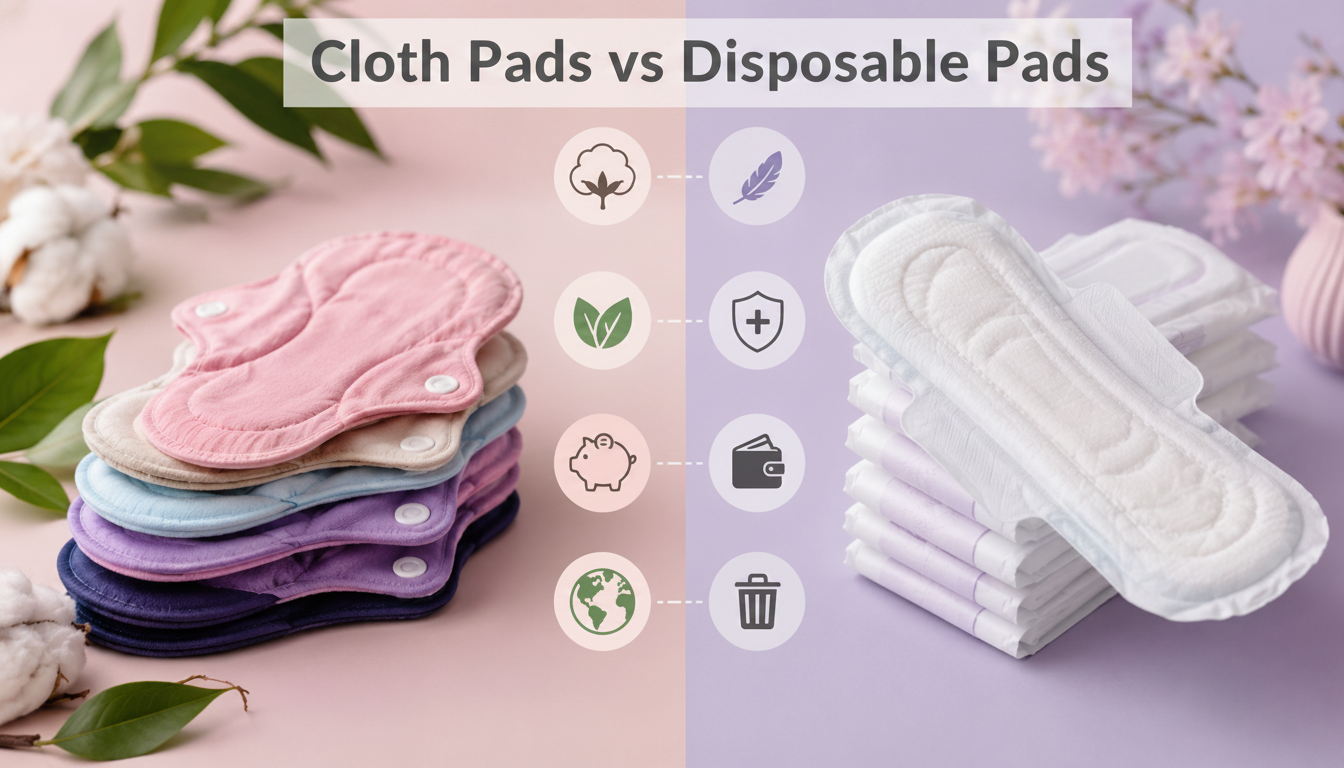
The reusable cloth pads from Avni Wellness are designed using soft fabric materials that offer comfort during periods. Many women prefer reusable options because they are breathable and gentle on sensitive skin. These pads can help reduce irritation often associated with conventional disposable products.
Benefits
- Comfortable for extended wear
- Skin-friendly material
- Reusable and eco-conscious
- Suitable for daily menstrual care
- Designed for long-term use
Lush Reusable Panty Liners
Panty liners can be useful for women experiencing spotting, vaginal discharge, or light-flow days. Avni Wellness offers reusable panty liners that support daily comfort and hygiene.
Benefits
- Comfortable daily protection
- Breathable fabric
- Suitable for spotting days
- Reusable and sustainable
- Helps maintain freshness
Lush Period Panty
Period underwear provides additional confidence during menstruation. These reusable period panties are designed for comfort and leak protection.
Benefits
- Reliable period protection
- Comfortable fit
- Reusable solution
- Eco-friendly alternative
- Ideal for overnight use
Stain Remover Liquid Detergent
Proper care of reusable menstrual products is important. Avni Wellness offers a plant-based stain remover detergent designed for delicate fabrics. It uses bioenzymes and plant-based surfactants to help remove stains and odors while remaining gentle on fabrics.
Benefits
- Effective stain removal
- Odor control support
- Gentle on fabrics
- Plant-based ingredients
- Suitable for reusable period products
Final Thoughts on PCOS vs PCOD Difference
Understanding the PCOS vs PCOD difference is essential for every woman experiencing hormonal symptoms.
PCOD is primarily an ovarian condition that can often be managed through healthy lifestyle changes. PCOS, on the other hand, is a more complex hormonal and metabolic disorder that may affect fertility, pregnancy, and long-term health.
If you notice irregular periods, unexplained weight gain, acne, or fertility concerns, consult a healthcare professional for proper evaluation. Early diagnosis and consistent lifestyle management can make a significant difference.
Whether you are dealing with PCOS or PCOD, focusing on nutrition, exercise, stress management, and menstrual wellness can support your overall reproductive health and improve your quality of life.
Frequently Asked Question:
1. What is the difference between PCOS and PCOD?
The biggest PCOS vs PCOD difference is that PCOS (Polycystic Ovary Syndrome) is a hormonal and metabolic disorder, while PCOD (Polycystic Ovarian Disease) primarily affects the ovaries. PCOS can impact fertility, insulin levels, and overall health, whereas PCOD is often manageable through lifestyle changes, proper nutrition, and regular exercise.
2. Can women with PCOS get pregnant naturally?
Yes, PCOS pregnancy is possible for many women. While PCOS can affect ovulation and make conception more challenging, maintaining a healthy weight, following a balanced diet, and seeking timely medical guidance can improve fertility outcomes. Many women with PCOS successfully conceive and have healthy pregnancies.
3. What are the early PCOS pregnancy symptoms?
Common PCOS pregnancy symptoms include missed periods, fatigue, nausea, breast tenderness, frequent urination, and mood changes. Since women with PCOS often experience irregular menstrual cycles, taking a pregnancy test and consulting a healthcare professional can help confirm pregnancy early.
4. What are the main PCOS causes and reason of PCOD?
Common PCOS causes include insulin resistance, hormonal imbalance, genetics, and chronic inflammation. The reason of PCOD is often linked to lifestyle factors such as stress, poor eating habits, lack of physical activity, and weight gain. Adopting healthier habits and managing stress can help improve symptoms and support hormonal balance.


Leave a comment
This site is protected by hCaptcha and the hCaptcha Privacy Policy and Terms of Service apply.