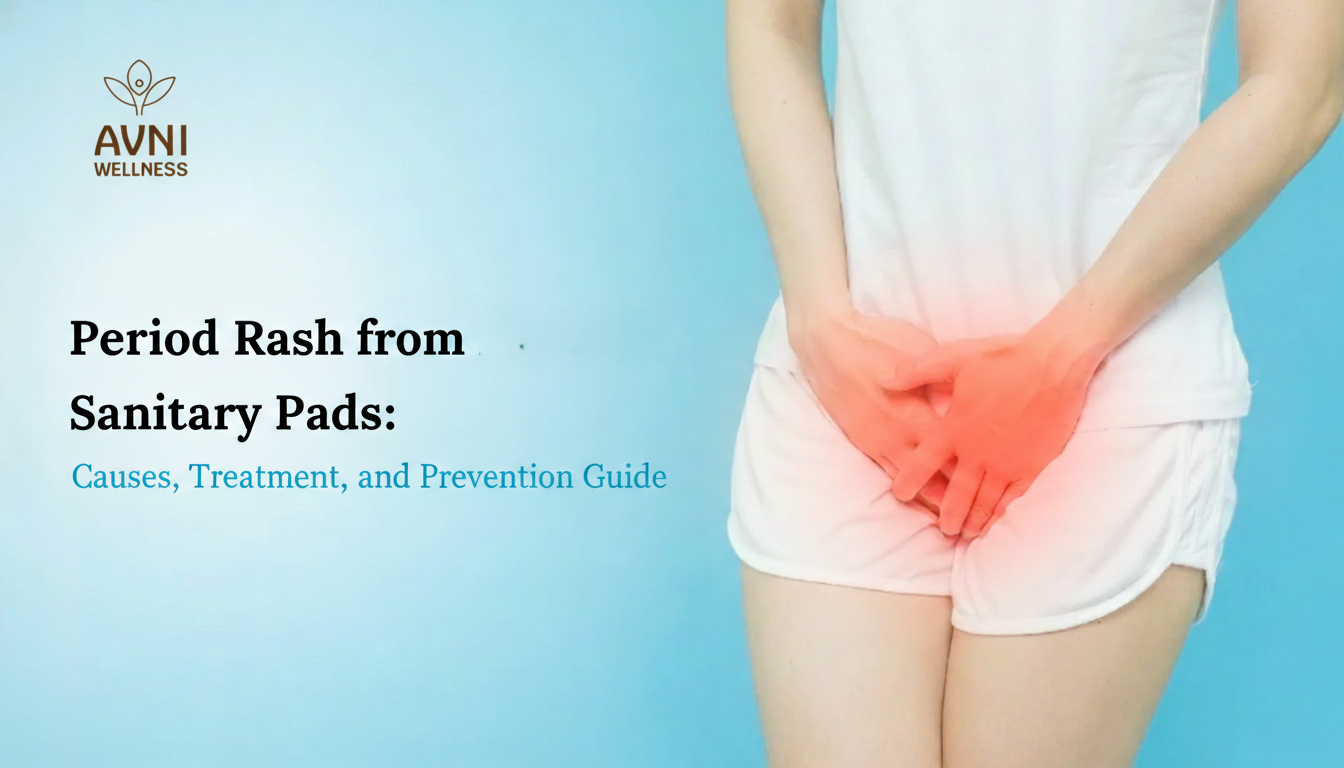
Period Rash from Sanitary Pads: Causes, Treatment, and Prevention Guide
Introduction
Most women agree that periods can be uncomfortable. However, they can sometimes be even worse with period-related rashes. These rashes are a common issue that many women face but seldom discuss. They can lead to itching, redness, swelling, and irritation, making those menstrual days even harder to manage.
The primary cause of period rashes is usually the sanitary pad. While pads are meant for hygiene and comfort, they can irritate sensitive skin due to friction, chemicals, moisture retention, and bacteria buildup.
In this blog, we will discuss why sanitary pads cause period rashes, how to treat them, how to prevent them, and whether switching to reusable or natural pads is a better choice.
What is a Period Rash?
A period rash is a type of skin irritation that occurs in the vulvar or inner thigh area during menstruation. Medically, this condition is known as contact dermatitis, and when it affects the vulva, it is called vulvitis. Period rashes can range from mild redness to painful sores and swelling, depending on how severe they are and their cause.
Why Do Sanitary Pads Cause Period Rash?
Most conventional sanitary pads are made of over 90% plastic and synthetic materials. Even though these materials are designed to be skin-friendly, they can still cause irritation-especially in sensitive areas. Let’s break down the various components of a typical sanitary pad and how they can contribute to period rashes.
1. Top Sheet (Skin Contact Layer)
The top sheet touches your skin directly. It is often made from polyolefin, zinc oxide, and petrolatum-based materials.
These synthetic materials can: -
- Cause friction and chafing
- Trap heat and moisture
- Trigger allergic reactions
2. Absorbent Core
The absorbent core is designed to absorb menstrual blood.
It typically consists of: -
- Cellulosic pulp
- Wood cellulose
- Absorbent foam
Some women might be allergic to these materials, which can lead to irritation or rashes.
3. Back Sheet
The back sheet prevents leakage and is usually made from: -
- Polyethylene (PE)
- Polyolefins
- Super Absorbent Polymers (SAP)
These materials inhibit airflow, leading to heat and sweat accumulation, which makes rashes worse.
4. Adhesives
Pads use adhesives to stick to underwear. These adhesives can sometimes cause: -
- Skin irritation
- Allergic contact dermatitis
5. Fragrances
Some pads include fragrances to mask odor. These chemicals can irritate sensitive skin and disrupt the natural vaginal pH, which can lead to rashes and infections.
Common Causes of Period Rash
1. Friction
Movement during walking, running, or cycling can cause pads to rub against the skin, leading to chafing and rashes.
Tip: Use softer pads or change them frequently to reduce friction.
2. Not Changing Pads Frequently
Wearing the same pad for too long can trap moisture, bacteria, and sweat.
Recommended: Change pads every 3 to 4 hours.
3. Moisture and Heat
Pads hold menstrual fluid, sweat, and heat, creating an ideal environment for bacteria and yeast to thrive.
4. Infections
Poor hygiene or long-term pad use can lead to: -
- Yeast infections
- Bacterial vaginosis
- Lower reproductive tract infections
These infections can cause itching, swelling, unusual discharge, and discomfort.
Symptoms of Period Rash
Common Rash Symptoms
- Redness
- Itching
- Mild burning sensation
- Skin irritation
Symptoms of Infection
Signs of Infection (Seek Medical Help)
- Pain while urinating
- Severe itching
- Pain during intercourse
- Unusual vaginal discharge
- Fever
How to Treat Period Rash
1. Maintain Hygiene
- Wash the vulva with lukewarm water.
- Avoid harsh soaps or scented products.
- Keep the area dry.
2. Switch Pad Brands or Types
Some pads contain more chemicals than others. Consider trying: -
- Cotton pads
- Organic pads
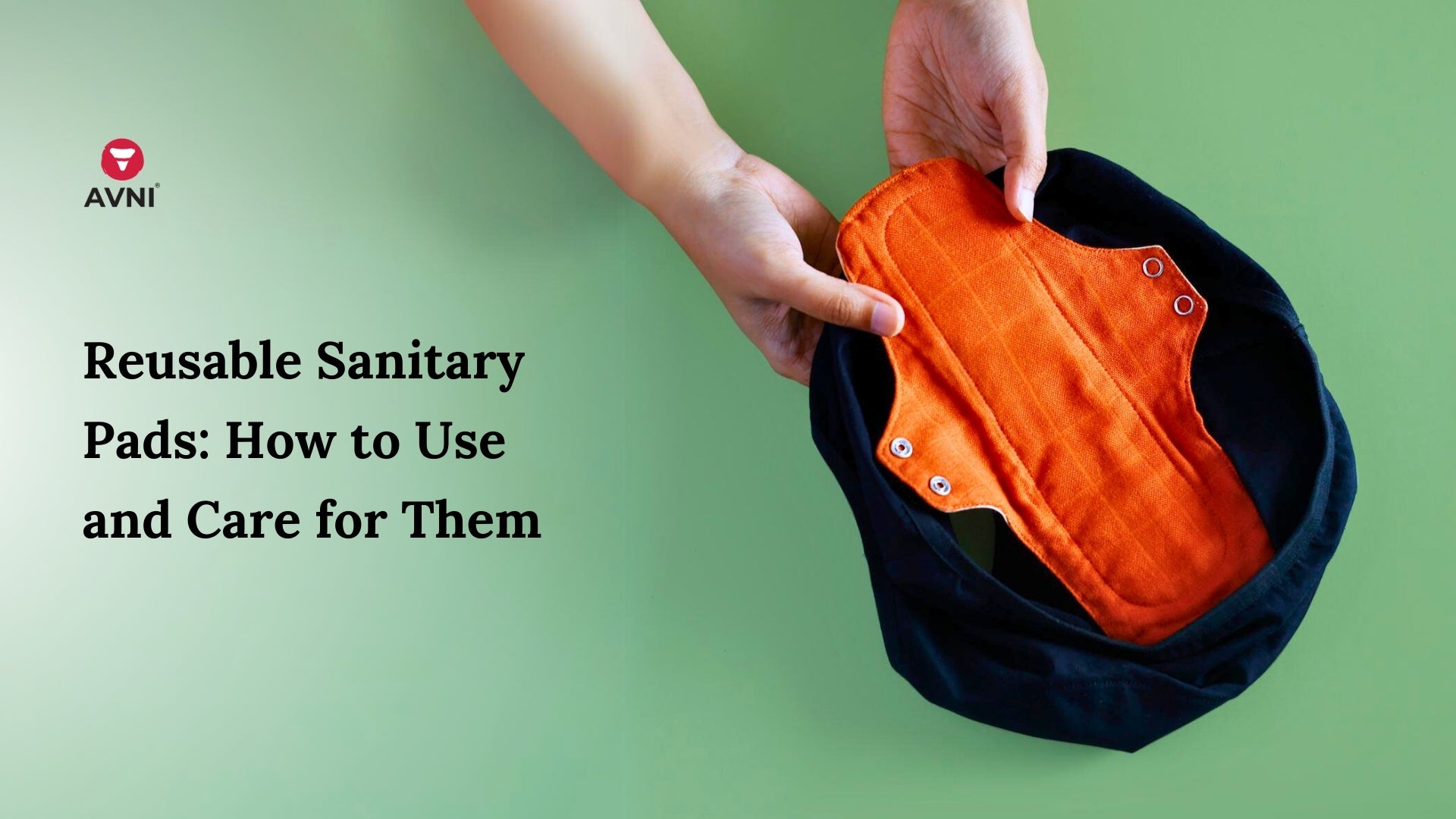
- Reusable cloth pads
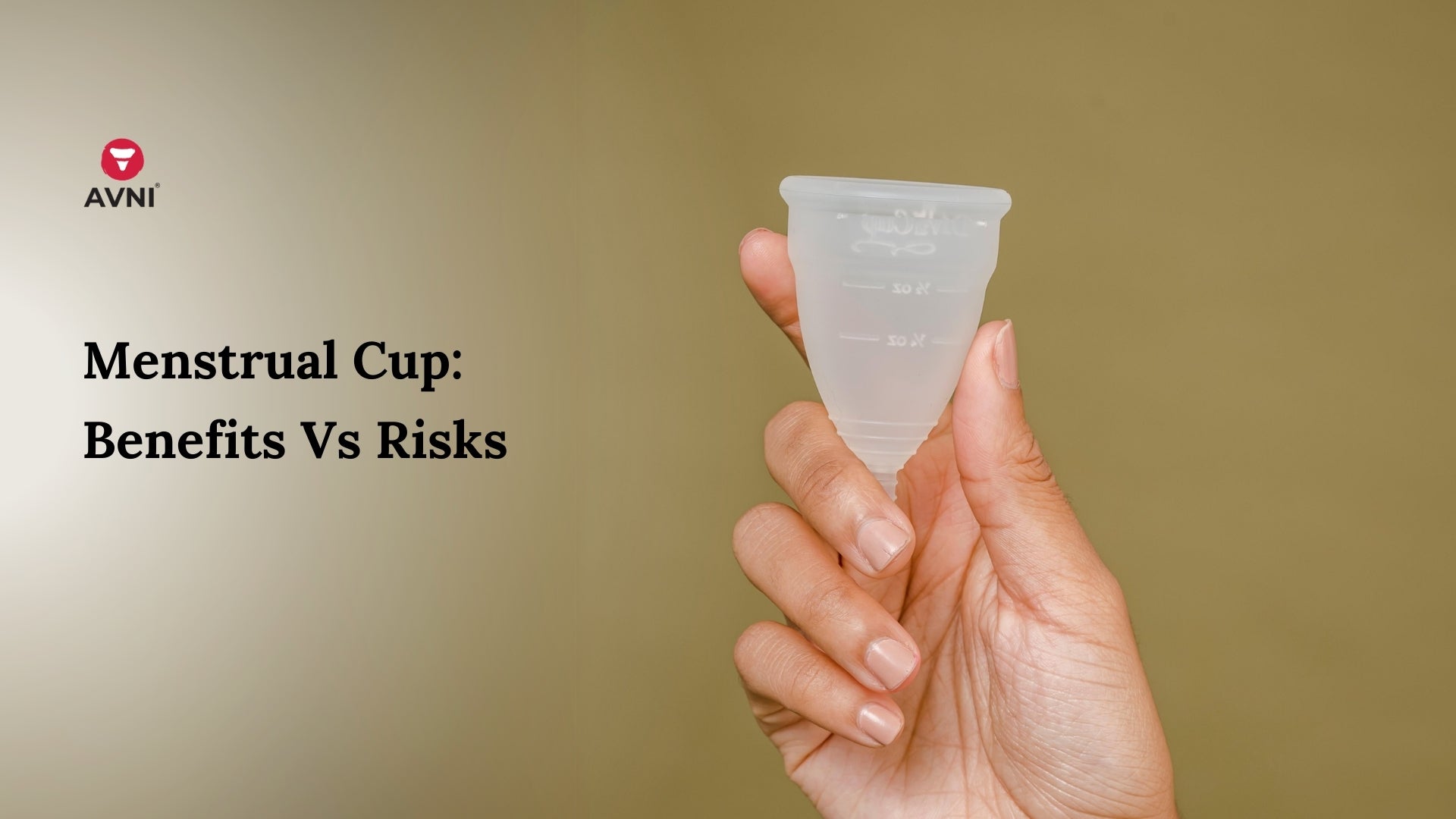
- Menstrual cups or tampons
3. Use Soothing Creams
Doctors may recommend: -
- Steroid creams
- Antifungal creams
- Antibiotic ointments (if there is an infection)
4. Wear Breathable Underwear
Choose cotton underwear instead of nylon or synthetic fabrics to reduce sweat and friction.
Why Reusable or Natural Pads Are Better
Reusable cotton pads and biodegradable sanitary napkins are becoming more popular because they: -
- Are free from harsh chemicals
- Allow better airflow
- Reduce friction and sweating
- Are eco-friendly
- Lower the risk of allergies and infections
How to Prevent Period Rash
- Change pads every 3 to 4 hours.
- Avoid scented pads.
- Use breathable cotton underwear.
- Keep the area dry.
- Consider reusable or organic pads.
- Avoid tight clothing during periods.
Key Features
- Period rash is commonly caused by friction, moisture, and chemicals in pads.
- Conventional sanitary pads contain over 90% synthetic materials.
- Top sheets, absorbent cores, back sheets, adhesives, and fragrances can irritate sensitive skin.
- Changing pads every 3 to 4 hours helps prevent rashes and infections. - Heat and sweat trapped by pads worsen irritation.
- Reusable and natural cotton pads reduce allergic reactions.
- \Maintain hygiene and wear breathable cotton underwear.
- Seek medical help if symptoms indicate infection.
FREQUENTLY ASKED QUESTION:
1. Can sanitary pads cause skin rashes and itching?
Yes, sanitary pads can cause rashes and itching, especially if they contain synthetic materials, fragrances, or adhesives. Friction, moisture, and prolonged use can irritate sensitive skin and lead to contact dermatitis.
2. How can I prevent period rash while using sanitary pads?
You can prevent period rash by changing pads every 3–4 hours, using cotton or organic pads, wearing breathable cotton underwear, avoiding scented products, and keeping the area clean and dry.
3. Are reusable or organic sanitary pads better for sensitive skin?
Yes, reusable and organic cotton sanitary pads are better for sensitive skin because they are free from harsh chemicals, allow airflow, reduce moisture buildup, and lower the risk of allergies and infections.

Leave a comment
This site is protected by hCaptcha and the hCaptcha Privacy Policy and Terms of Service apply.