What Causes Vaginal Pimples? Symptoms, Treatment & Prevention
Introduction
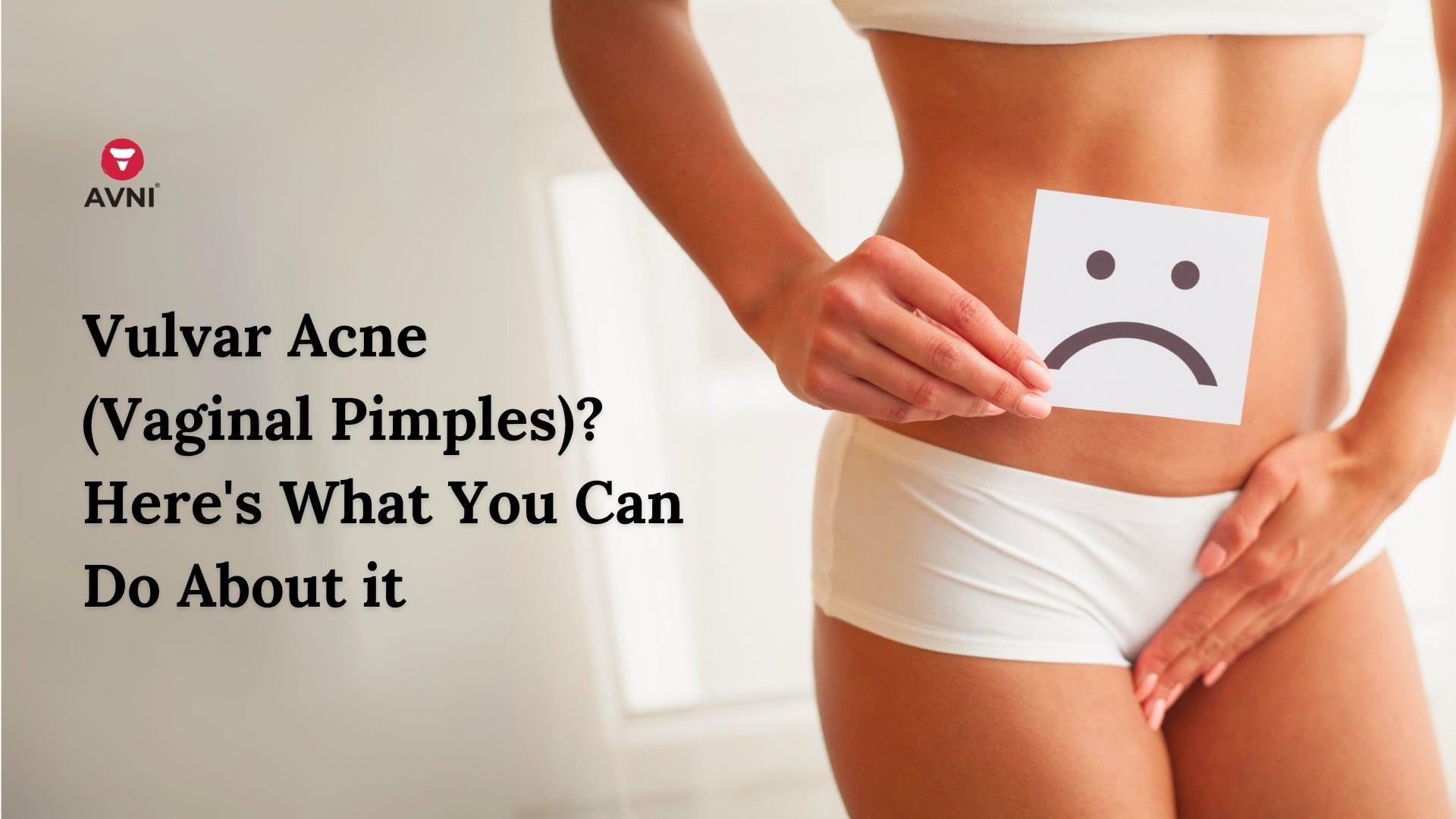
Noticed a small bump, rash, or pimple near your intimate area? Don’t panic. Vaginal pimples are more common than most women think. A pimple on vaginal lip or pimple in vaginal area can develop due to sweat, friction, shaving, clogged pores, hormonal changes, or skin irritation. In many cases, these bumps heal naturally within a few days with proper intimate hygiene.
A vaginal pimple may appear as a red bump, whitehead, boil, or swollen lump around the vulva or pubic area. Some women also experience itching, tenderness, redness, or discomfort along with vaginal acne.
Although most vaginal pimples are harmless, recurring or painful bumps should always be examined by a doctor to rule out infections or other common vaginal problems.
Understanding the causes, symptoms, treatment options, and prevention methods can help women maintain better vaginal health and intimate comfort.
What Are Vaginal Pimples?
Vaginal pimples are small inflamed bumps that develop around the vulva, pubic region, bikini line, or vaginal opening. They often resemble facial acne and may occur due to blocked pores, infected hair follicles, trapped sweat, or skin irritation.
These bumps may vary in:
- Size
- Color
- Texture
- Pain level
Some vaginal pimples remain painless, while others may become swollen, itchy, or tender.
Types of Vaginal Pimples
1. Papules
Small red or pink raised bumps that are usually mild and painless.
2. Pustules
White or yellow pus-filled bumps similar to facial acne or whiteheads.
3. Vaginal Boils
Larger painful bumps caused by bacterial infection or deeply infected hair follicles.
4. Ingrown Hair Bumps
Tiny painful bumps that happen when pubic hair curls back into the skin after shaving or waxing.
5. Cystic Pimples
Deep painful lumps that may develop due to blocked oil glands or chronic skin conditions.
What Causes Vaginal Pimples?
There is no single cause behind vaginal pimples. Multiple skin, hygiene, hormonal, and lifestyle factors may contribute.
1. Contact Dermatitis
The skin around the vulva is highly sensitive. Harsh chemicals or scented products can trigger irritation, itching, and pimples on vaginal lips.
Common Irritants Include:
- Scented soaps
- Bubble baths
- Vaginal sprays
- Feminine wipes
- Scented sanitary pads
- Tampons
- Lubricants
- Condoms
- Laundry detergents
- Tight synthetic underwear
Switching to gentle and fragrance-free intimate care products may help reduce irritation.
2. Folliculitis (Ingrown Hair Infection)
Folliculitis occurs when hair follicles become inflamed or infected.
It commonly develops after:
- Shaving
- Waxing
- Excess sweating
- Razor burns
- Wearing tight clothing
This often causes small red or pus-filled bumps around pubic hair.
How to Prevent Folliculitis
- Shave in the direction of hair growth
- Use clean razors
- Avoid tight underwear
- Trim instead of frequent shaving
- Keep the intimate area dry
3. Hidradenitis Suppurativa (HS)
Hidradenitis Suppurativa is a chronic inflammatory skin condition affecting sweat glands around the groin and inner thighs.
Symptoms Include:
- Recurrent painful lumps
- Swollen boils
- Pus-filled bumps
- Scarring
This condition usually requires medical treatment.
4. Molluscum Contagiosum
This viral skin infection causes small shiny or flesh-colored bumps around the vaginal area.
Symptoms
- Round bumps
- Mild itching
- Smooth surface
The condition may spread through skin contact.
5. Sexually Transmitted Infections (STIs)
Some sexually transmitted infections may cause bumps, blisters, or sores around the vaginal area.
Genital Herpes
- Painful blisters
- Burning sensation
- Recurring outbreaks
Genital Warts
- Small cauliflower-like bumps
- Skin-colored growths
- Caused by HPV infection
If vaginal pimples are associated with fever, unusual discharge, severe pain, or sexual exposure, consult a doctor immediately.
6. Bartholin Cysts
Bartholin glands help lubricate the vagina. When these glands become blocked, painful cysts or lumps may form near the vaginal opening.
7. Skin Tags
Skin tags are harmless soft skin growths that may appear around the genital area and usually do not require treatment unless irritated.
What Do Vaginal Pimples Look Like?
Vaginal pimples may appear as:
- Small red bumps
- White pus-filled pimples
- Tender swollen lumps
- Itchy bumps
- Painful boils
- Ingrown hair bumps
Some bumps feel soft, while others become hard or painful.
Common Vaginal Problems Women Should Not Ignore
Apart from vaginal pimples and vaginal acne, women may also experience:
- Vaginal itching
- Excessive sweating
- Vaginal odour
- Skin irritation
- Recurrent rashes
- Burning sensation
- Vaginal infections
Many of these common vaginal problems are linked to poor intimate hygiene, friction, hormonal changes, or harsh products.
When Should You See a Doctor?
Most vaginal pimples heal naturally within a few days. However, medical attention is necessary if you experience:
- Severe pain
- Fever
- Large swelling
- Pus drainage
- Recurring bumps
- Unusual vaginal discharge
- Bleeding
- Pain during urination
- Persistent itching
A healthcare professional can identify whether the bump is caused by infection, cysts, allergies, or sexually transmitted infections.
Treatment for Vaginal Pimples
Treatment depends on the underlying cause of the vaginal pimple.
Home Remedies for Mild Vaginal Pimples
Keep the Area Clean
Wash gently using lukewarm water and mild unscented cleansers.
Avoid Touching or Popping Pimples
Popping vaginal pimples may worsen infection and cause scarring.
Wear Breathable Cotton Underwear
Cotton underwear helps reduce sweat and friction.
Apply Warm Compress
Warm compresses may help reduce swelling and discomfort.
Stop Shaving Temporarily
Allow irritated skin and ingrown hairs time to heal.
Medical Treatments
Depending on the diagnosis, doctors may recommend:
- Antibiotic creams
- Antifungal medications
- Antiviral medicines
- Oral antibiotics
- Anti-inflammatory creams
- Antihistamines for allergies
Avoid using any vaginal pimple cream without medical advice because intimate skin is highly sensitive.
How Long Do Vaginal Pimples Last?
Most mild vaginal pimples disappear within:
- 3 to 7 days for irritation-related bumps
- 1 to 2 weeks for folliculitis or ingrown hairs
Persistent or recurring pimples may indicate underlying skin conditions or infections.
How to Prevent Vaginal Pimples Naturally
Maintaining good intimate hygiene habits can significantly reduce the risk of vaginal pimples and vaginal infections.
Prevention Tips
- Wear loose-fitting clothes
- Choose breathable cotton underwear
- Avoid scented feminine products
- Keep the area dry after sweating
- Change out of wet clothes quickly
- Use clean razors while shaving
- Avoid sharing towels or razors
- Practice safe sex
- Maintain regular intimate hygiene
Choose Skin-Friendly Period Products
Many women experience irritation from synthetic sanitary pads containing plastic layers, fragrances, and harsh chemicals. These products may increase sweating, friction, and discomfort around sensitive skin.
Using reusable cotton-based menstrual products may help improve airflow and reduce irritation during periods.
Popular options include:
- Avni Wellness Natural Cotton Cloth Pads
- Lush Reusable Period Pads
- Heavy Flow Period Panties
These products may support better comfort, breathability, and intimate hygiene during menstruation.
Best Intimate Hygiene Tips for Women
Maintaining healthy intimate hygiene can help prevent both vaginal pimples and types of vaginal infection.
Daily Intimate Care Tips
- Wash the external vaginal area gently
- Avoid overwashing or douching
- Stay hydrated
- Change sanitary products regularly
- Wear breathable fabrics
- Practice safe sex
- Avoid harsh chemical-based products
Healthy intimate habits support vaginal pH balance and overall feminine wellness.
Final Thoughts
Vaginal pimples, vaginal acne, and other common vaginal problems are extremely common and usually harmless. In most cases, they are linked to shaving, friction, sweat, hormonal changes, or skin irritation.
While occasional pimples on vaginal lips often heal naturally, recurring, painful, or unusual bumps should never be ignored.
Listening to your body, maintaining proper intimate hygiene, and choosing gentle skin-friendly products can help keep your vaginal health comfortable, balanced, and irritation-free.
Most importantly, women should feel comfortable discussing intimate health openly and seeking medical guidance whenever necessary.
FREQUENTLY ASKED QUESTION:
Q1. Can sanitary pads cause vaginal pimples and irritation?
Yes, heavily scented or synthetic sanitary pads can trap heat, sweat, and moisture, which may contribute to vaginal pimples, itching, and irritation. Many women prefer breathable cotton-based products from Avni Wellness to support better intimate comfort and reduce friction during periods.
Q2. Which products are best for sensitive intimate skin?
Women with sensitive skin should choose fragrance-free, soft, and breathable menstrual products. Avni Wellness offers reusable cloth pads and period panties made with skin-friendly cotton materials that help support intimate hygiene, comfort, and freshness.
Q3. Can reusable cloth pads help prevent vaginal acne and rashes?
Yes, reusable cotton cloth pads may help reduce excessive sweating, skin irritation, and friction compared to plastic-based disposable pads. Avni Wellness reusable pads are designed to promote airflow and support healthier intimate skin during menstruation.
Q4. How can I maintain intimate hygiene to prevent vaginal pimples?
Maintaining proper intimate hygiene includes wearing breathable underwear, changing period products regularly, avoiding harsh scented products, and keeping the area dry. Using gentle feminine care products from Avni Wellness may help support vaginal wellness, freshness, and irritation-free comfort.

Leave a comment
This site is protected by hCaptcha and the hCaptcha Privacy Policy and Terms of Service apply.