

What causes pimples around the vagina / vulva / labia and how do I get rid of them?
Let's discuss vaginal pimples today. Sounds different? It exists. Small red bumps on the surface of the skin form a pimple that often pops around genitals, sometimes appearing as pimples on vagina or white pimples on private parts female. Fret not! Vaginal pimples are common and can occur due to acne, clogged skin pores, or even vaginal bumps linked to sweat gland diseases.
Vaginal pimples crop up due to causes like sweat gland - related skin disease, reaction to materials in contact with vulva, STIs, ingrown hair, or even vaginal boil formation. Once the cause is known, you can treat it accordingly or allow it to heal itself. Seek medical assistance if it becomes painful, you experience extensive discomfort, or suspect cyst pimples on private parts female.
You may be surprised to see these pimples on the external tissue or vulva. It may feel uncomfortable and itchy but are not a cause of great concern. Knowing and understanding why and how they occur must be on your checklist. While these pimples go away over time, you can treat and prevent them knowing the cause. If you’re wondering how do I get rid of pimples on my pubic area or how long do vaginal pimples last, understanding their origin is key.
What do vaginal pimples look like?
A vaginal pimple looks like a round, inflamed bump on the skin's surface. These may differ in shape, size, and nature.

-
Papula: a small, raised pimple that looks like a common zit, often found as pimple on vaginal opening.
-
Pustule: this kind of pimple looks white on the top, more like a whitehead, filled with pus, similar to white pimples on private parts female.
-
A red-looking acne that is tender to touch; looks ordinary but painful.
What causes vaginal pimples?
How do vaginal pimples form? There is not one reason to cite the cause but many, and each varies. Common causes include:
Contact dermatitis:
Vaginal pimples are often a reaction to materials that come in contact with the external tissue of the vulva. The skin down there is extremely sensitive, and contact dermatitis can stem from scented soap, bubble bath, sanitary napkins, tampons, douches (applicators or fluids), feminine wipes, lotions, powders, perfumes, semen, condoms, lubricants, sweat, vaginal discharge, over-the-counter medications, laundry detergent, or urine.
Folliculitis:
Sometimes after shaving, you might see one or two pimples pop up on your genitalia. This is typically folliculitis, an infection of the hair follicle, often raising the question of how do I get rid of pimples on my pubic area. It happens when pubic hair becomes infected or inflamed. Shaving, wearing skin-tight clothes, razor burns, ingrown hair, or bathing in unclean water can cause this condition.
Acne Inversa or Hidradenitis Suppurativa (HS):
This chronic skin disease affects sweat glands in the groin, sometimes causing cyst pimples on private parts female. These pimples are pus-filled and leave scars after treatment.
Molluscum Contagiosum:
A viral skin infection that can cause round bumps, pimples on vagina, which are painless but itchy.
STIs (Sexually Transmitted Infections):
Genital herpes and genital warts occur due to contact with an infected person. Herpes causes recurring bumps, while genital warts look like small bumps or cauliflower-like florets.
Bartholin Cysts:
An unlikely cause of irritation, which appears as a painful bump due to blocked glands.
Skin tags:
These are small flaps of tissue and pose no threat to vaginal health.
Diagnosis for Vaginal Pimples
Vaginal pimples, whether they are simple bumps, a vaginal boil, or white pimples on private parts female, are an easy diagnosis. If you see one, you know it.
While most have self-healing properties, visit your doctor if they enlarge, are painful, or occur regularly. Be ready to answer quick questions about hygiene habits, sexual history, and daily routine.
Treatment for Vaginal Pimples
Vaginal pimples normally go away with time - if you’re wondering how long do vaginal pimples last, it’s usually a few days to a week. If pimples linger, see a doctor for appropriate treatment, which may include topical or oral medications for contact dermatitis or vaginal pimple cream to soothe irritation.
To pinpoint the cause of contact dermatitis, stop using all products on your vagina and reintroduce them one at a time, recording any reaction. For allergies and inflammation, antihistamines may be prescribed. Antiviral medications are recommended for STIs. Always consult your doctor before using any medication.
For acne and ingrown hair, skip shaving and try trimming pubic hair. If shaving is preferred, use the razor in the direction of hair growth (downward slant) to prevent ingrown hair or cyst pimples on private parts female.
Prevention for Vaginal Pimples
Vaginal pimples can also be prevented with changes in hygiene:
- Avoid wearing tight-fitting clothes that rub against your privates (helps prevent vaginal bumps and pimples on vagina).
- Use unscented soaps and washes.
- Switch to showers over baths; clean water is essential for vaginal health.
- Let your vagina breathe by switching to cotton underwear over synthetic ones.
- Use lukewarm, not hot, water - hot water can aggravate pimples.
- Prioritize intimate hygiene with good quality vaginal wash and period products.
- Ask your doctor about menstrual products that are best for your vagina.
Final Takeaway
Your vaginal health reacts to your actions. More hygiene means healthier genitalia. Vaginal pimples, vaginal boil, or pimple on vaginal opening are normal occurrences. These small bumps are typically harmless, but keeping a regular check is wise.
Look out for abnormalities and see a doctor if bumps look unusual, ruptured, or last longer than expected.
Frequently Asked Questions?
Q: Are vaginal pimples normal?
A: Yes, occasional pimples on vagina or vaginal bumps are common and often linked to sweat, friction, or product irritation rather than something serious. Switching to breathable, chemical-free period products like Avni Lush Reusable Period Pads and Avni Cloth Pads made from natural cotton can reduce rashes, itching, and recurrent irritation that may worsen bumps.
Q: How long do vaginal pimples last?
A: Mild vaginal pimples usually settle in a few days when the skin is kept clean, dry, and away from harsh chemicals and friction. During this period, using Avni Cloth Pads or Lush Reusable Period Pads instead of conventional synthetic pads can minimize sweating and chafing, while Avni Heavy Flow Period Panties offer leak-free protection without plastic, which is gentler on sensitive skin.
Q: How do I get rid of pimples on my pubic area safely?
A: To support healing, keep the area clean and dry, avoid tight synthetic underwear, and pause aggressive shaving or waxing until the skin recovers. On period days, choose Avni’s Natural Cotton Cloth Pads, Lush Reusable Period Pads, or Period Panties instead of plastic pads to reduce heat, moisture, and chemical exposure on the vulva, helping existing pimples stay calmer and lowering the chance of new bumps forming.
Read more
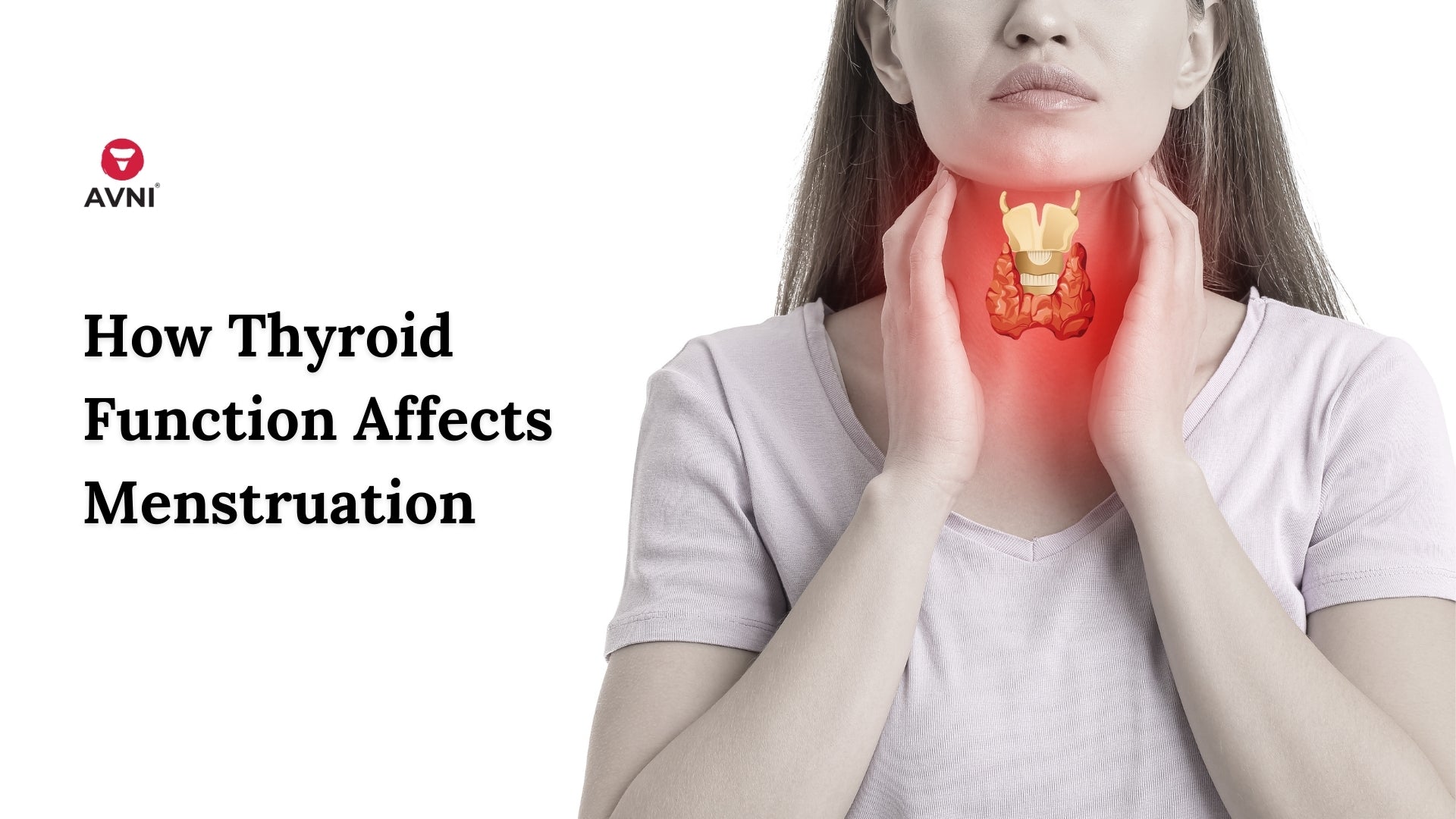
How Thyroid Function Affects Menstruation
There is a growing number of women struggling from thyroid disease, but with the prevalence of hormonal imbalance, it's difficult to determine what's causing your symptoms. "Thyroid health" affects...
Read more
Missing Periods is Not Always Pregnancy: What else?
On a random day: you notice you have missed your period date by 2-3 days, and you decide to ignore it—thinking it's normal. But it's been a week or two, and you still haven't gotten your period. ...
Read more
Leave a comment
This site is protected by hCaptcha and the hCaptcha Privacy Policy and Terms of Service apply.