
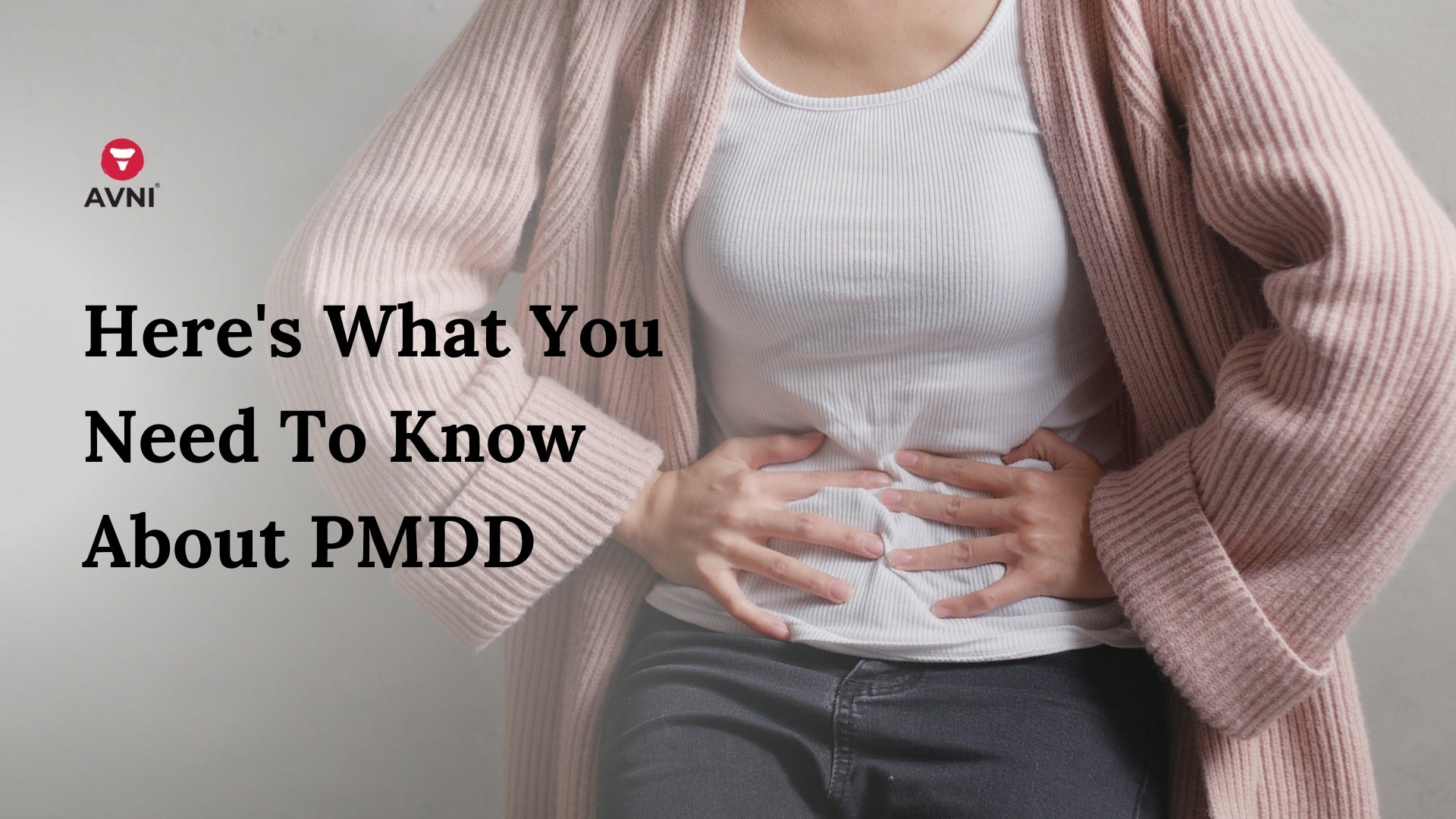
PMDD vs PMS: Symptoms, Causes, Treatment & Natural Ways to Manage Premenstrual Symptoms
Premenstrual symptoms are common among women, especially during the days leading up to menstruation. While many women experience mild discomfort such as bloating, fatigue, or mood swings, some experience severe emotional and physical symptoms that can seriously affect daily life. This condition is known as PMDD (Premenstrual Dysphoric Disorder).
In this complete guide, we’ll explain what is PMDD, common PMDD symptoms, causes, diagnosis methods, and the most effective PMDD treatment options. We’ll also explore the difference between PMS and PMDD symptoms and natural ways to support hormonal balance.
What Are Premenstrual Symptoms?
Premenstrual symptoms are physical, emotional, and behavioral changes that occur during the luteal phase of the menstrual cycle, usually 1–2 weeks before periods begin. These symptoms happen because of hormonal fluctuations involving estrogen and progesterone.
Common PMS Premenstrual Symptoms Include:
- Mood swings
- Fatigue
- Food cravings
- Headaches
- Bloating
- Breast tenderness
- Irritability
- Sleep disturbances
- Anxiety
For most women, these symptoms are manageable. However, around 5%–8% of women experience severe symptoms that interfere with work, relationships, and mental well-being. This severe condition is called PMDD.
What Is PMDD?
PMDD Meaning
PMDD meaning refers to Premenstrual Dysphoric Disorder, a severe form of PMS that affects emotional, mental, and physical health before menstruation begins.
Unlike regular PMS, PMDD causes intense mood-related symptoms such as depression, anger, anxiety, and emotional instability. Symptoms typically appear during the luteal phase and improve once menstruation starts.
PMDD is medically recognized as a serious hormonal mood disorder and should never be dismissed as “just PMS.”
Difference Between PMS and PMDD Symptoms
| Aspect | PMS (Premenstrual Syndrome) | PMDD (Premenstrual Dysphoric Disorder) |
|---|---|---|
| Severity | Mild to moderate symptoms | Severe and intense symptoms |
| Emotional Impact | Mood swings and irritability | Anxiety, depression, anger, hopelessness |
| Physical Symptoms | Bloating, cramps, fatigue | Severe physical discomfort with emotional distress |
| Daily Life Impact | Usually manageable | Can disrupt work, relationships, and social life |
| Mental Health Effects | Temporary emotional changes | Significant emotional and psychological challenges |
| Need for Treatment | Lifestyle changes may help | Often requires medical evaluation and treatment |
| Duration | Before menstruation begins | Severe symptoms during the luteal phase |
| Diagnosis | Common premenstrual condition | Clinically recognized mood disorder |
Understanding the difference between PMS PMDD symptoms is important because PMDD often requires professional medical care and emotional support.
What Causes PMDD?
The exact cause of PMDD is still being researched, but experts believe it is related to an increased sensitivity to hormonal changes during the menstrual cycle.
1. Hormonal Sensitivity
Women with PMDD usually have normal hormone levels but react more strongly to fluctuations in estrogen and progesterone.
2. Brain Chemical Changes
Changes in serotonin, a brain chemical that affects mood, sleep, and emotions, may contribute to PMDD symptoms.
3. Genetics and Family History
Research suggests PMDD and PMS can run in families, indicating a possible genetic link.
4. Mental Health Conditions
Women with anxiety, depression, or a history of emotional trauma may have a higher risk of developing PMDD.
5. Smoking and Lifestyle Factors
Smoking, chronic stress, poor sleep, and unhealthy lifestyle habits may worsen symptoms.
6. High BMI
Studies show a connection between higher body mass index (BMI) and increased PMDD risk.
11 Common PMDD Symptoms
Women with PMDD experience recurring symptoms during the luteal phase of the menstrual cycle. Symptoms usually improve within a few days after periods begin.
You may have PMDD if you experience five or more of the following symptoms consistently for at least two menstrual cycles.
Emotional and Behavioral PMDD Symptoms
- Severe Mood Swings – Sudden emotional changes, crying spells, or feeling emotionally unstable.
- Anxiety or Constant Tension – Persistent worry, panic, or nervousness before menstruation.
- Irritability or Anger – Extreme frustration, sensitivity, or conflicts with others.
- Depression or Hopelessness – Feelings of sadness, guilt, hopelessness, or low self-worth.
- Feeling Overwhelmed – Difficulty managing stress or daily responsibilities.
- Difficulty Concentrating – Poor focus, forgetfulness, or mental fog.
- Loss of Interest in Activities – Reduced interest in work, hobbies, or relationships.
- Sleep Problems – Insomnia or excessive sleepiness (hypersomnia).
Physical PMDD Symptoms
- Chronic Fatigue – Low energy levels and constant tiredness.
- Appetite Changes or Cravings – Increased hunger, sugar cravings, or emotional eating.
- Physical Discomfort – Bloating, headaches, breast tenderness, muscle pain, joint pain, or temporary weight gain.
How Is PMDD Diagnosed?
Diagnosing PMDD requires both physical and psychological assessment.
Healthcare providers may rule out:
- Thyroid disorders
- Anemia
- Anxiety disorders
- Depression
- Hormonal imbalances
- Gynecological conditions
Doctors usually recommend tracking symptoms in a menstrual diary for at least two consecutive cycles.
PMDD Treatment Options
Although there is no permanent cure, several effective PMDD treatment methods can help manage symptoms and improve quality of life.
1. Lifestyle and Natural PMDD Treatment
Healthy Diet
- Fruits and vegetables
- Whole grains
- Lean proteins
- Healthy fats
- Magnesium-rich foods
Limiting caffeine, sugar, alcohol, and processed foods may also improve symptoms.
Regular Exercise
Physical activity boosts endorphins, improves mood, and reduces stress and fatigue associated with PMDD.
Stress Management
- Meditation
- Deep breathing exercises
- Journaling
- Mindfulness
- Therapy
- Yoga
Herbal and Natural Wellness Support
- Chaste berry
- Magnesium
- Vitamin B6
- Omega-3 fatty acids
Women-focused wellness support from brands like Avni Wellness may also help support hormonal balance, emotional wellness, and menstrual health naturally.
2. Medical Treatment for PMDD
SSRIs (Selective Serotonin Reuptake Inhibitors)
- Fluoxetine
- Sertraline
Doctors may prescribe them continuously or only during the luteal phase.
Hormonal Therapy
Hormonal treatments may suppress ovulation and stabilize hormone fluctuations.
Benzodiazepines
Short-term use may help severe anxiety or insomnia, though careful monitoring is required due to dependency risks.
Living With PMDD
Living with PMDD can feel emotionally exhausting, but proper treatment and support can significantly improve daily life.
Helpful Coping Strategies
- Track symptoms every month
- Prioritize quality sleep
- Maintain healthy nutrition
- Reduce stress levels
- Exercise regularly
- Seek emotional support
- Consult healthcare professionals
- Join PMDD support groups
When Should You See a Doctor?
- Symptoms interfere with work or relationships
- Emotional symptoms feel overwhelming
- You experience severe anxiety or depression
- Symptoms occur consistently every month
- Lifestyle changes are not helping
Natural Wellness Support for PMS and PMDD Symptoms
Women dealing with recurring PMS premenstrual symptoms and PMDD often benefit from a combination of medical guidance and supportive wellness habits.
- Nutrient-rich foods
- Exercise and yoga
- Better sleep habits
- Stress reduction techniques
- Herbal wellness support
Women-focused wellness products from Avni Wellness are designed to support menstrual wellness, emotional balance, and overall hormonal health naturally.
Conclusion
Premenstrual Dysphoric Disorder is much more than regular PMS. Understanding what is PMDD, recognizing PMDD symptoms, and seeking proper care can make a major difference in emotional and physical well-being.
Although the exact causes are still being researched, many women successfully manage symptoms through lifestyle changes, therapy, medication, stress management, and hormonal wellness support.
Frequently Asked Questions (FAQs)
Q1. What is PMDD and how is it different from PMS?
PMDD meaning refers to Premenstrual Dysphoric Disorder, a severe form of PMS that causes intense emotional and physical symptoms before periods.
Q2. What are the most common PMDD symptoms?
Common PMDD symptoms include severe mood swings, anxiety, depression, irritability, fatigue, bloating, food cravings, sleep problems, and difficulty concentrating.
Q3. What is the best treatment for PMDD naturally?
Natural treatment for PMDD may include a healthy diet, regular exercise, stress reduction, proper sleep, and herbal wellness support.
Q4. Can hormonal imbalance worsen PMS premenstrual symptoms and PMDD?
Yes, hormonal fluctuations during the menstrual cycle are one of the main causes of severe PMS premenstrual symptoms and PMDD.


Leave a comment
This site is protected by hCaptcha and the hCaptcha Privacy Policy and Terms of Service apply.