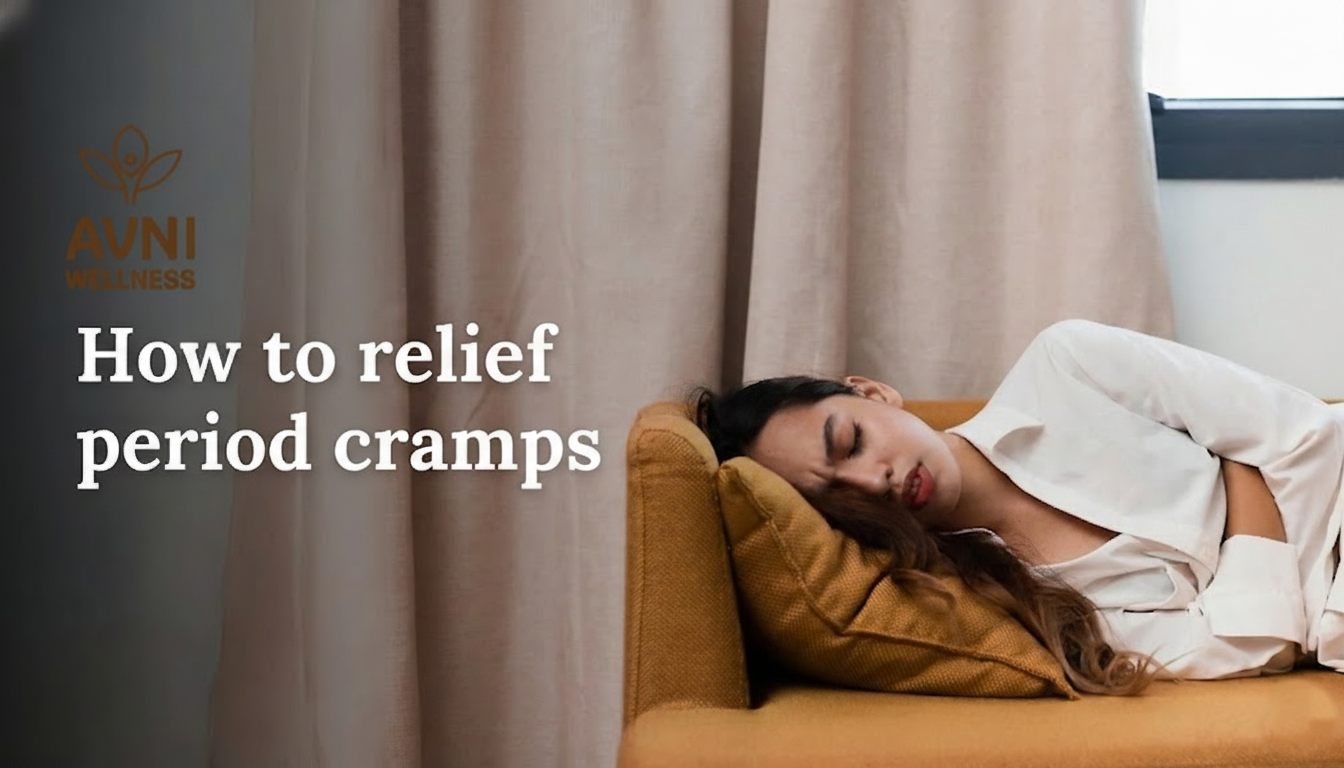
Period Cramps Relief: Natural Remedies, Causes, and How to Stop Period Pain Immediately at Home
Period cramps are a common but uncomfortable part of menstruation. For many women, this pain can vary from mild discomfort to severe cramps that interrupt daily activities. Understanding the reason cramps occur is the first step toward managing them effectively - and knowing how to stop period pain immediately at home can make each cycle far more manageable.
During your period, your body releases substances called prostaglandins. These cause your uterus to contract to shed its lining. While this is a natural process, strong contractions limit blood flow and create pain, resulting in cramps.
What Causes Period Cramps?
Before exploring remedies, it's important to know the cause of the pain. Period pain isn't random; it's your body reacting to internal changes.
Cramps happen when uterine muscles contract more intensely than usual. This tightness lowers oxygen supply to the tissues, leading to a familiar throbbing or aching feeling.
- High prostaglandin levels
- Heavy menstrual flow
- Hormonal imbalance
- Stress and unhealthy lifestyle choices
- Conditions like endometriosis or fibroids
How to Stop Period Pain Immediately at Home
If you're searching for how to stop period pain immediately at home, the fastest combination is heat, hydration, and gentle movement. A hot water bottle on the lower abdomen, a large glass of warm water, and five minutes of slow stretching can noticeably ease cramping within 15-20 minutes. Many women also find that switching to breathable period panties during a flare-up reduces the friction and discomfort that comes with bulky pads, making the cramping feel more manageable overall.
How to Get Period Cramps Relief at Home
Cramps can feel overwhelming, especially when they disrupt work, sleep, or daily comfort. Instead of relying solely on medications, many natural remedies can offer quick and lasting relief.
Here are 7 effective remedies with detailed benefits:
1. Use Heat Therapy for Instant Relief
Heat therapy is one of the simplest and most effective ways to ease cramps, and it's often the top answer to how to stop period pain immediately at home. Applying heat to your lower abdomen relaxes uterine muscles and improves blood flow.
- Relaxes muscle spasms
- Enhances blood flow
- Lowers pain signals to the brain
2. Use OTC Medications (When Needed)
Sometimes, cramps can be too intense to manage with home remedies alone. In those cases, over-the-counter medications can help control the pain swiftly.
- Ibuprofen
- Naproxen
- Aspirin
3. Try Light Exercise or Yoga
It might seem counterintuitive, but light movement can greatly lessen period pain. Exercise boosts blood flow and releases endorphins, which act as natural painkillers.
- Walking
- Light stretching
- Yoga (child's pose, cat-cow)
4. Take the Right Supplements
Your body needs essential nutrients to maintain hormonal balance and reduce inflammation. Certain vitamins and minerals can effectively lower menstrual pain naturally.
- Magnesium (relaxes muscles)
- Vitamin B1 & B6 (reduce pain)
- Omega-3 (lowers inflammation)
- Calcium & Vitamin D
5. Improve Your Diet During Periods
What you eat directly influences how you feel during your cycle. Some foods can increase inflammation, while others help lower cramps and bloating.
Avoid:
- Caffeine
- Salty foods
- Processed snacks
- Fried foods
Include:
- Fruits & vegetables
- Whole grains
- Herbal teas
6. Try Acupuncture for Natural Healing
Acupuncture is an ancient method that enhances energy flow and blood circulation in the body. It helps calm the nervous system and reduce inflammation.
- Lessens pain intensity
- Improves mood
- Boosts sleep quality
7. Stay Hydrated for Less Pain
Hydration is often neglected but is crucial in reducing cramps. Dehydration can worsen muscle contractions and increase bloating.
- Drink 2–3 liters of water daily
- Add coconut water or herbal drinks
- Eat water-rich foods like cucumber and watermelon
Period Panties: A Comfortable Addition to Your Cycle
Period panties have become a popular alternative to traditional pads and tampons, especially for women managing cramps alongside their flow. Unlike regular underwear paired with a pad, period panties are designed with absorbent, leak-proof layers built directly into the fabric, which means less bulk and less irritation against sensitive skin during cramping days.
Many women switch to period panties overnight or during heavy-flow days because they offer more freedom of movement - useful when you're also trying gentle yoga or stretching for cramp relief. Choosing breathable, cotton-based period panties can also lower the risk of irritation that sometimes contributes to vaginal infections.
Sex During Periods: Is It Safe and Can It Help Cramps?
A common question women have is whether sex during periods is safe, and whether it affects cramping. Medically, sex during period is generally safe for most people, and orgasm can actually trigger the release of endorphins, which may temporarily ease cramping and improve mood. However, hormone levels and comfort vary from person to person, so sex during periods may not feel appealing to everyone, and that's completely normal.
A few practical points on sex during period:
- Use a towel or opt for shower sex to manage flow
- The cervix sits slightly lower during menstruation, so extra gentleness helps
- Condoms are still recommended, as pregnancy and STI transmission are both possible during sex during periods
- If you notice unusual pain, odor, or irritation after sex during your period, this could indicate an infection and should be checked by a doctor
Spotting Between Periods: What It Means
Spotting between periods refers to light bleeding that occurs outside your regular menstrual cycle. If you're wondering what spotting means, it typically refers to very light, often brownish or pink discharge that's much lighter than a normal period flow.
Common causes of spotting between periods include:
- Ovulation (mid-cycle spotting)
- Hormonal birth control adjustments
- Stress or sudden weight changes
- Polyps or fibroids
- Early pregnancy implantation
Occasional spotting between periods is usually harmless, but if it happens frequently, is heavy, or comes with pain, it's worth discussing with a gynecologist to rule out underlying causes.
Effects of Irregular Periods on Body
The effects of irregular periods on body health go beyond inconvenience. When cycles are consistently unpredictable, it can signal deeper hormonal or lifestyle issues that deserve attention.
Some notable effects of irregular periods on body systems include:
- Disrupted ovulation, which can affect fertility
- Increased risk of anemia from unpredictable heavy bleeding
- Mood swings and fatigue due to fluctuating hormone levels
- Skin issues like acne, linked to hormonal imbalance
- Difficulty predicting fertile windows or planning pregnancy
If irregular cycles continue for several months, it's important to consult a doctor, since the effects of irregular periods on body health can sometimes point to conditions like PCOS or thyroid imbalance.
PMDD Treatment: Managing Severe Premenstrual Symptoms
Premenstrual Dysphoric Disorder (PMDD) is a more severe form of PMS that causes intense mood swings, anxiety, and physical discomfort before your period starts. Unlike typical period pain, PMDD affects emotional wellbeing significantly, and finding the right PMDD treatment is essential for quality of life.
Common approaches to PMDD treatment include:
- Lifestyle changes - regular exercise, sleep hygiene, and stress management
- Dietary adjustments - reducing caffeine, sugar, and alcohol in the days before your period
- Cognitive behavioral therapy (CBT) - helps manage the emotional symptoms of PMDD
- Medical PMDD treatment - in more severe cases, doctors may prescribe SSRIs or hormonal birth control to stabilize mood
- Supplements - magnesium, calcium, and vitamin B6 are sometimes recommended as part of PMDD treatment plans
Since PMDD treatment often needs a personalized approach, speaking with a gynecologist or mental health professional is recommended if symptoms are affecting daily life.
UTI Symptoms and Vaginal Infections During Your Cycle
Menstrual health isn't only about cramps - many women also deal with UTI symptoms or vaginal infections around their period, since hormonal shifts and moisture levels change during menstruation.
Common UTI symptoms include:
- A burning sensation while urinating
- Frequent urge to urinate, even with little urine
- Cloudy or strong-smelling urine
- Lower abdominal or pelvic discomfort
If you notice UTI symptoms during your period, don't ignore them - UTIs can worsen quickly without treatment, and staying hydrated (as recommended earlier for cramp relief) also helps flush bacteria from the urinary tract.
Types of Vaginal Infection
There are several types of vaginal infection that can occur, particularly around menstruation:
- Bacterial vaginosis (BV) - caused by an imbalance of natural bacteria, often with a fishy odor
- Yeast infections - caused by an overgrowth of candida, leading to itching and thick discharge
- Trichomoniasis - a sexually transmitted infection causing irritation and unusual discharge
- Urinary tract infections (UTIs) - while not strictly vaginal, they're closely linked and often confused with vaginal infections
Understanding the different types of vaginal infection helps you recognize symptoms early. Switching to breathable period panties, avoiding scented products, and maintaining good hygiene during your period can lower your risk of these types of vaginal infection.
Myths vs Facts About Period Cramps
| Myth | Fact |
|---|---|
| Period pain is normal, just tolerate it. | Mild pain is common, but severe pain should be addressed. |
| Exercise worsens cramps. | Light exercise actually helps reduce pain. |
| Only medicines can help. | Natural remedies can be just as effective. |
| Spotting between periods always means something is wrong. | Occasional spotting between periods is often harmless and linked to ovulation or hormonal changes. |
Quick Daily Routine for Period Cramps Relief
- Morning: Warm water and light stretching
- Afternoon: Balanced meals and hydration
- Evening: Walk or do yoga
- Night: Heat therapy and relaxation
When to See a Doctor
While cramps are usual, severe pain is not. Consult a doctor if:
- Pain is unbearable
- Cramps last more than 3 days
- Pain disrupts daily life
- You experience heavy or irregular bleeding
- You notice UTI symptoms or signs of a vaginal infection
- Spotting between periods becomes frequent or heavy
- You suspect PMDD and need a structured PMDD treatment plan
Final Thoughts
Period cramps are common, but they shouldn't interfere with your daily life. Simple remedies like heat therapy, staying hydrated, light exercise, a balanced diet, and proper menstrual care can provide effective period cramps relief. If you experience severe pain, frequent spotting between periods, UTI symptoms, or irregular cycles, consult a healthcare professional. With the right care and healthy lifestyle habits, you can manage period pain more comfortably and support your overall menstrual health.
Frequently Asked Question:
Q1. When should I worry about severe period cramps?
Mild to moderate cramps are normal, but if your pain is severe, lasts longer than a few days, or disrupts your daily life, it's important to consult a doctor. Conditions like endometriosis or fibroids may need medical attention.
For everyday discomfort, Avni Wellness provides supportive, natural solutions that help ease cramps and improve overall menstrual comfort, allowing you to manage your cycle with confidence.
Q2. Is sex during periods safe?
Yes, sex during periods is generally safe for most people, and some women may experience temporary cramp relief due to the release of endorphins. However, using protection is important to reduce the risk of infections and unintended pregnancy. Supporting your overall menstrual health with a balanced diet and nutrient-rich options like AVNI Wellness products can also help promote comfort and well-being throughout your cycle.
Q3. What does spotting between periods mean?
Spotting between periods is usually light bleeding that may occur due to ovulation, hormonal fluctuations, or birth control. Occasional spotting is often harmless, but frequent or heavy spotting should be evaluated by a healthcare professional. Maintaining hormonal wellness with healthy lifestyle habits and nutrient-rich foods, including AVNI Wellness Ormobite Seeds, can support overall reproductive health.


Leave a comment
This site is protected by hCaptcha and the hCaptcha Privacy Policy and Terms of Service apply.