What to Eat During Periods: Iron-Rich Foods, Seeds & Superfoods for a Healthy Menstrual Cycle?
Iron-Rich Foods for Periods
Menstruation causes iron loss and can lead to fatigue and anemia. That's why it's important to focus on iron-rich foods to help maintain energy levels and support menstrual health.
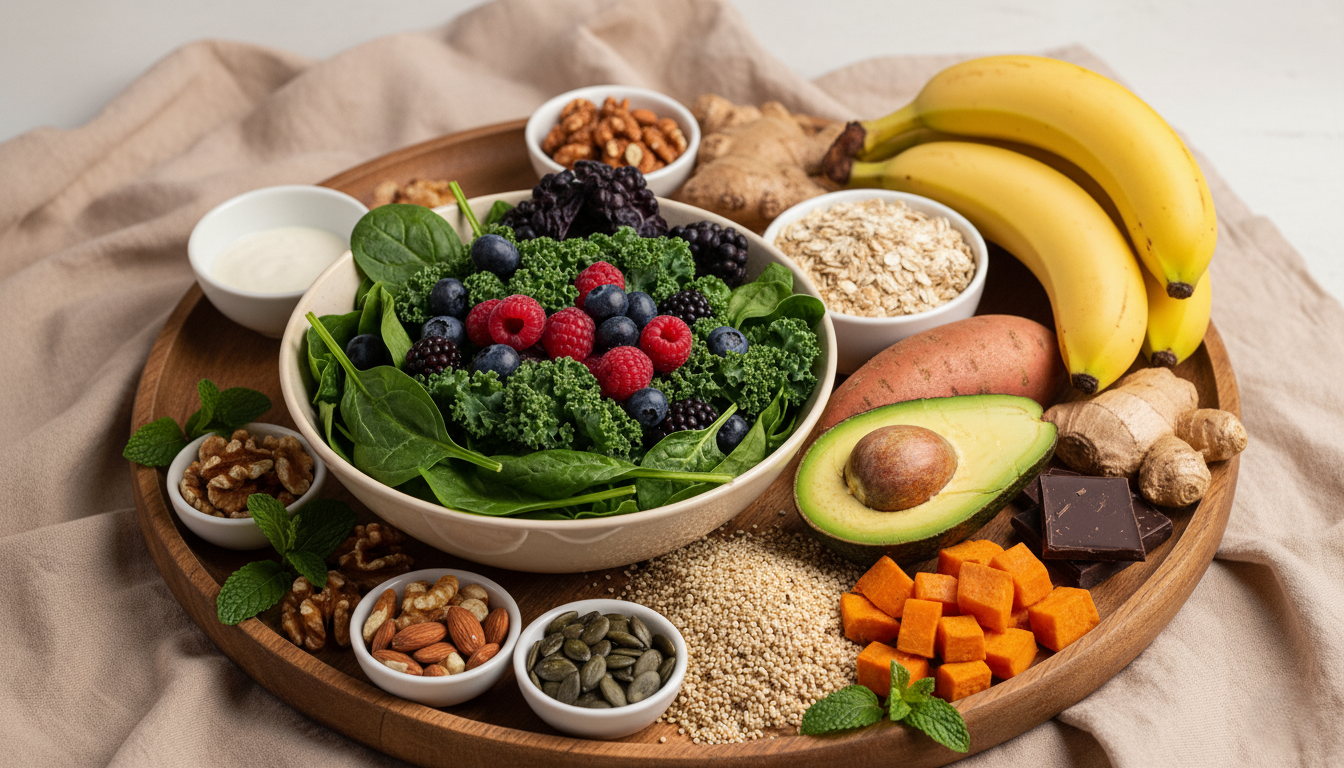
Leafy greens like spinach and kale provide non-heme iron and magnesium, which can help ease cramps. Pairing these greens with vitamin C sources can improve iron absorption.
Legumes such as lentils, chickpeas, and beans are great sources of plant-based iron and protein, making them a good option for vegetarians with heavy flows.
Red meat, poultry, and fish contain easily absorbable heme iron, which helps quickly replenish iron stores.
Dried fruits like apricots and raisins make convenient snacks. They also add fiber, which aids digestion.
Whole grains like quinoa and fortified cereals provide sustained energy without causing blood sugar spikes.
Seeds for Hormonal Balance
Seeds are important for seed cycling, a method that matches food intake with menstrual phases to balance hormones like estrogen and progesterone.During the follicular phase (days 1-14), eat 1-2 tablespoons of ground flaxseeds and pumpkin seeds daily to support estrogen levels and reduce PMS symptoms.
In the luteal phase (days 15-28), switch to sunflower and sesame seeds to support progesterone, zinc, and omega fats that help reduce cramps.
These nutrient-rich seeds also provide lignans and healthy fats, which promote regular cycles and fertility. Grind them fresh for better digestion and add them to smoothies, yogurt, or salads for easy inclusion in your period care routine.
Superfoods for Menstrual Wellness
Superfoods like avocados, ginger, and fatty fish offer anti-inflammatory benefits that can relieve bloating, pain, and mood swings during your period.
- Avocados provide healthy fats, vitamin E, and potassium, which help with hormone production and cramp relief.
- Ginger and turmeric naturally reduce inflammation, while berries and dark chocolate can satisfy cravings with their antioxidants.
- Yogurt with probiotics helps prevent infections and provides calcium for muscle relaxation.
- Pineapple's bromelain enzyme relaxes uterine muscles, easing discomfort.
- Cruciferous vegetables like broccoli help with estrogen detox, promoting regular cycles.
Avni Wellness Products for Period Care
Improve your menstrual cycle with Avni Wellness products from their eco-friendly period care collection. Reusable cloth pads made from soft natural cotton help prevent rashes and infections common with disposable options. They last for 6 hours without leaks, providing all-day comfort.
Users have noted that the fabric is breathable, feels natural, and reduces non-biodegradable waste while supporting skin health during humid weather or heavy flows.
Menstrual cups and period panties provide reliable leak-proof protection. Cups fit comfortably after the first use, while panties offer carefree nights and travel ease with customizable sizes.
These chemical-free options align with iron-rich diets and seed cycling by minimizing hormonal disruptors and supporting overall wellness. Make the switch for sustainable, healthy periods.
Periods often lead to iron loss, so nutrient-dense meals are crucial for fighting fatigue and boosting energy. These three iron-rich recipes feature leafy greens, legumes, and seeds, and each pairs with vitamin C for better absorption.
Use them alongside Avni Wellness period care products for comprehensive menstrual support.
Spinach Lentil Soup
This hearty soup combines spinach and lentils for 8-10 mg of iron per serving and eases cramps with anti-inflammatory spices.
Ingredients (4 servings):
- 1 cup red lentils
- 200g fresh spinach, chopped
- 1 onion, diced
- 2 garlic cloves, minced
- 1 tsp turmeric, ginger
- 4 cups vegetable broth
- Juice of 1 lemon (vitamin C boost)
- Salt, pepper to taste
Instructions:
1. Saute onion and garlic in oil until soft.
2. Add lentils, turmeric, ginger, and broth; simmer for 20 minutes.
3. Stir in spinach until wilted, then add lemon juice. Serve warm.
Enjoy daily during your period for sustained energy and digestive help.
Quinoa Chickpea Salad
This salad is packed with quinoa, chickpeas, and pumpkin seeds, offering plant-based iron, protein, and zinc for hormonal balance.
Ingredients (2 servings):
- 1 cup cooked quinoa
- 1 cup chickpeas, rinsed
- 1/2 avocado, sliced
- 2 tbsp pumpkin seeds
- Handful cherry tomatoes, bell peppers
- Dressing: Olive oil, lemon juice, cumin
Instructions:
1. Toss cooked quinoa with chickpeas, veggies, and seeds.
2. Drizzle with lemon-olive oil dressing.
3. Chill briefly or serve fresh for a quick lunch.
This salad is perfect for seed cycling during the follicular phase and helps enhance menstrual regularity.
Kale Chicken Stir-Fry
Lean chicken delivers heme iron along with kale for quick replenishment, helping to reduce fatigue during heavy flows.
Ingredients (3 servings):
- 300g chicken breast, sliced
- 200g kale, chopped
- 1 bell pepper, sliced
- 2 tbsp sesame seeds
- Soy sauce, garlic, ginger
- Orange segments for vitamin C
Instructions:
1. Stir-fry chicken with garlic and ginger until cooked.
2. Add kale, peppers, and soy sauce; cook for 5 minutes.
3. Top with sesame seeds and oranges. Serve hot.
This meal supports progesterone in the luteal phase and pairs well with Avni Wellness reusable pads for leak-free comfort.
FREQUENTLY ASKED QUESTION:
Q1.Which Foods Prevent Iron Deficiency During Periods?
Iron-rich foods like spinach, lentils, red meat, and pumpkin seeds help replace losses from heavy bleeding. Pair these with vitamin C from lemons or oranges to improve absorption. Aim for 18 mg of iron daily during menstruation. Vegetarians need to double their plant-based intake because it has lower bioavailability. Seed cycling with flax and sesame also helps balance hormones while boosting iron.
Q2.What Are Signs of Low Iron from Heavy Periods?
Fatigue, dizziness, pale skin, brittle nails, and shortness of breath indicate iron deficiency anemia. This condition may worsen if you soak pads hourly or bleed for over seven days. Hair loss and headaches often appear first in menstruating women who lose 30-80 mL of blood each cycle. Track these symptoms and test ferritin levels if they persist.
Q3.When to Take Iron Supplements for Periods?
Start taking supplements if your diet isn’t enough after heavy flows. Blood tests confirming ferritin levels below 40 ng/mL can help. Consult your doctor to avoid taking too much. Ferrous sulfate works well, especially with recipes like spinach lentil soup. Most people notice reduced fatigue within eight weeks. Avni Wellness reusable pads help reduce waste while you focus on recovery.


Leave a comment
This site is protected by hCaptcha and the hCaptcha Privacy Policy and Terms of Service apply.