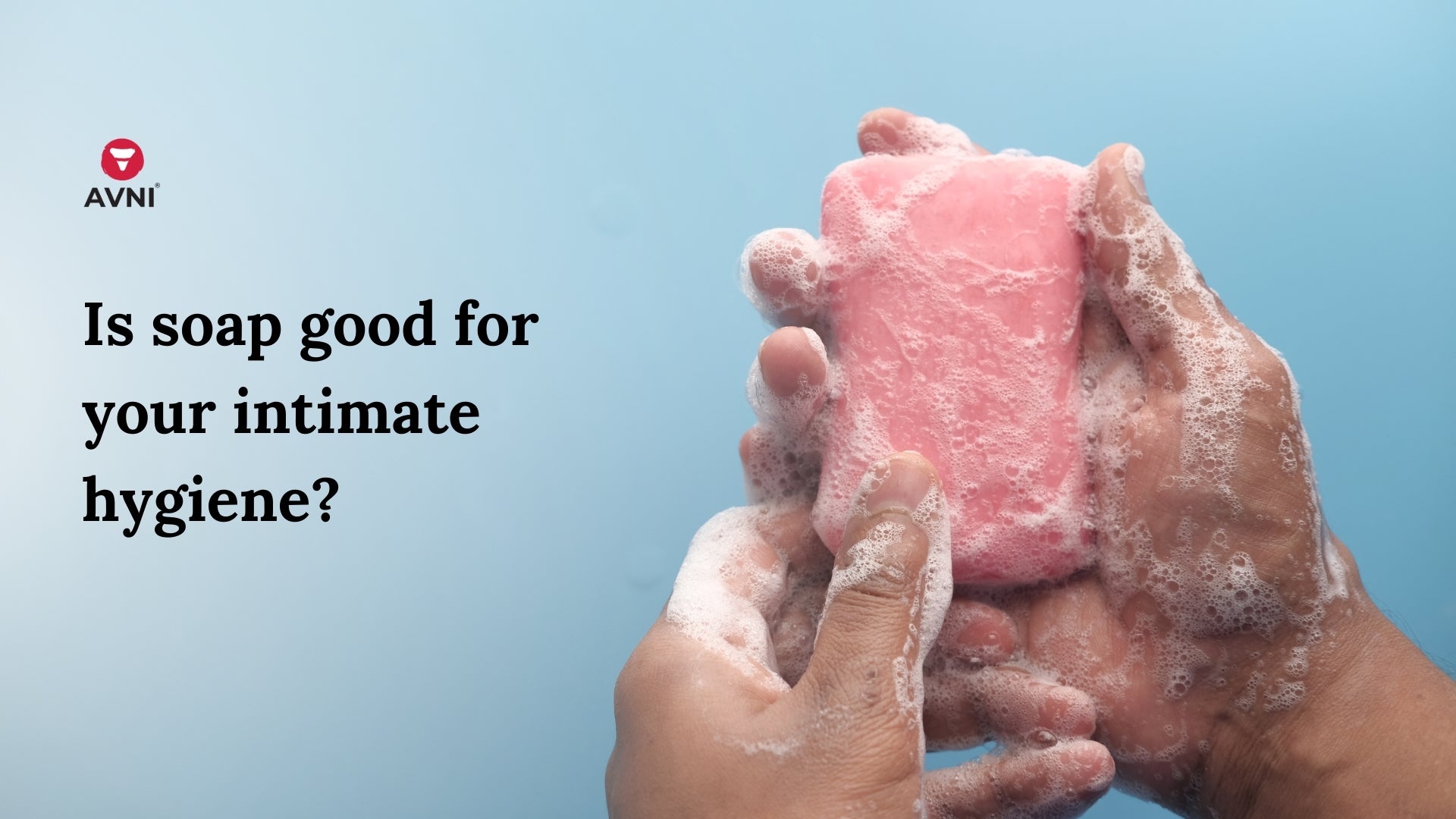
Should Women Use Soap on Their Privates? The Truth About Intimate Hygiene and Vaginal Health
Introduction
Intimate hygiene is an essential part of a woman’s health, but many wonder should women use soap on their privates or rely on specialized products like intimate hygiene wash or intimate wash women.
Using regular soap for intimate hygiene or using soap to wash private parts can disrupt the natural pH balance, cause irritation, and affect vaginal health. Even so, some women prefer gentle, safe alternatives like unscented soap for private parts to maintain cleanliness without harming sensitive skin.
Understanding how to care for the vagina and vulva is key to choosing the right products and keeping your intimate areas healthy.
Understanding the Difference Between the Vagina and Vulva
Before discussing intimate hygiene products, it's important to understand female anatomy.
Many people use the term "vagina" to refer to the entire genital area, but this isn't anatomically correct.
The Vagina
The vagina is the internal muscular canal that connects the cervix to the outside of the body. It has a remarkable self-cleaning mechanism that maintains a healthy balance of bacteria and removes dead cells through natural vaginal discharge.
The Vulva
The vulva refers to the external genital area and includes:
- Labia majora (outer lips)
- Labia minora (inner lips)
- Clitoris
- Clitoral hood
- Urethral opening
- Vaginal opening
While the vagina cleans itself naturally, the vulva may require gentle external cleaning to remove sweat, urine residue, menstrual blood, and other bodily fluids.
Understanding this distinction is essential because the care requirements of the vagina and vulva are very different.
Should Women Use Soap on Their Privates?
One of the most common questions gynecologists hear is:
"Should women use soap on their privates?"
The general medical recommendation is that regular soap should not be used inside the vagina. For the external vulva, many experts recommend cleaning with plain lukewarm water or a gentle, fragrance-free cleanser if necessary.
Traditional soaps are designed for skin on other parts of the body and often have an alkaline pH. The intimate area, however, has a naturally acidic environment that helps protect against infections.
Using soap for intimate hygiene may:
- Disrupt the natural vaginal flora
- Alter vaginal pH levels
- Cause irritation and itching
- Lead to dryness
- Increase the risk of bacterial infections
- Trigger yeast infections
This is why many healthcare professionals advise against using regular scented soaps on intimate areas.
Why Vaginal pH Matters
The vagina maintains a delicate ecosystem of beneficial bacteria, primarily Lactobacilli. These bacteria help keep the environment acidic and prevent harmful microorganisms from multiplying.
Normal Vaginal pH Levels
The vaginal pH changes throughout life:
- Pre-puberty: Around 7 (neutral)
- Reproductive years: 3.8–4.5 (acidic)
- After menopause: May become less acidic
The vulva typically has a pH ranging between 3.5 and 4.7.
This acidic environment serves as a natural defense system against infections.
When harsh soaps, douches, or scented intimate washes disturb this balance, the risk of irritation and infection increases significantly.
Is It Safe to Use Soap in Private Parts?
Many women ask:
"Is it safe to use soap in private parts?"
The answer depends on the type of soap and where it is being used.
Generally Avoid:
- Scented soaps
- Antibacterial soaps
- Harsh body washes
- Deodorizing feminine products
- Products containing strong detergents
Safer Alternatives:
- Lukewarm water
- Mild fragrance-free cleansers
- pH-balanced intimate wash women products
- Hypoallergenic cleansers designed for sensitive skin
Even when using a gentle cleanser, it should only be applied externally to the vulva and never inside the vagina.
What Happens If You Get Soap in Your Vagina?
Accidentally getting soap inside the vagina is fairly common, especially during bathing.
What Happens If You Get Soap in Your Vagina?
You may experience:
- Burning sensation
- Itching
- Redness
- Dryness
- Temporary discomfort
- Increased sensitivity
In some cases, repeated exposure can contribute to:
- Bacterial vaginosis
- Yeast infections
- Vaginal irritation
- Disruption of healthy bacteria
If soap accidentally enters the vagina, rinse thoroughly with clean lukewarm water and avoid further irritation.
If symptoms persist, consult a gynecologist.
Harmful Ingredients Commonly Found in Soaps and Feminine Washes
Not all intimate cleansing products are created equal.
Many products contain ingredients that may be too harsh for delicate intimate tissues.
Sodium Lauryl Sulphate (SLS)
SLS is a foaming agent commonly found in:
- Soaps
- Shampoos
- Face washes
- Feminine washes
It can strip away natural oils and cause irritation in sensitive areas.
Parabens
Parabens are preservatives used to increase product shelf life. They may trigger skin irritation and allergic reactions in some individuals.
Synthetic Fragrances
Fragrances are among the most common causes of contact dermatitis and irritation.
Artificial Dyes
Colorants such as:
- D&C Red 33
- FD&C Yellow No. 5
- Ext. Violet 2
can increase the risk of sensitivity and irritation.
Phthalates
These chemicals are often used in fragrances and plastic manufacturing and may be too harsh for intimate skin.
Formaldehyde Releasers
Some cosmetic preservatives slowly release formaldehyde over time and may irritate sensitive tissues.
Is It Good to Wash Your Vagina With Soap?
Another frequently searched question is:
"Is it good to wash your vagina with soap?"
The simple answer is no.
The vagina is self-cleaning.
Using soap inside the vagina can interfere with the natural balance of healthy bacteria and acidity that protects against infections.
Your body already has an efficient cleaning mechanism through vaginal discharge.
Rather than improving hygiene, internal washing with soap may actually increase the likelihood of discomfort and infections.
Do You Really Need an Intimate Hygiene Wash?
The growing popularity of intimate wash women products has created the impression that special cleansers are essential.
In reality, many women can maintain excellent intimate health using only water.
However, some women prefer using a gentle intimate hygiene wash because it can help remove:
- Sweat
- Urine residue
- Menstrual blood
- Daily buildup around the vulva
If you choose to use an intimate hygiene wash, look for products that are:
- pH-balanced
- Fragrance-free
- Dye-free
- Sulfate-free
- Dermatologically tested
- Gynecologist-approved
Remember that even the best intimate wash should only be used externally.
How to Choose the Best Intimate Wash for Women
If you're considering an intimate wash, pay attention to the ingredient list.
Look For:
- Lactic acid
- Aloe vera
- Chamomile
- Calendula
- Fragrance-free formulas
- pH-balanced ingredients
Avoid:
- Strong perfumes
- Alcohol-based formulas
- Artificial dyes
- Sulfates
- Harsh detergents
Many women also search for an unscented soap for private parts because fragrance-free products are generally less likely to cause irritation.
Best Practices for Maintaining Intimate Hygiene
Good intimate hygiene doesn't require complicated routines.
Follow These Simple Habits
Wash the vulva gently once daily with:
- Lukewarm water
- A mild fragrance-free cleanser if needed
Wear breathable cotton underwear.
Change out of wet swimsuits or sweaty workout clothes promptly.
Wipe from front to back after using the toilet.
Avoid vaginal douching.
Stay hydrated.
Practice safe sex.
Change sanitary products regularly during menstruation.
These simple practices are often more effective than relying on multiple feminine hygiene products.
When Should You See a Gynecologist?
Some symptoms shouldn't be ignored.
Consult a healthcare professional if you experience:
- Persistent itching
- Unusual discharge
- Strong fishy odor
- Pain during urination
- Pain during intercourse
- Recurring infections
- Vaginal swelling
A gynecologist can identify the underlying cause and recommend appropriate treatment.
Conclusion
When it comes to intimate hygiene, less is often more. Despite aggressive marketing from feminine care brands, most women do not need heavily scented soaps or specialized cleansing products to stay clean and healthy.
The vagina is a self-cleaning organ, and the vulva can usually be cleaned effectively with lukewarm water. Using soap to wash private parts - especially products containing fragrances, sulfates, parabens, or dyes - can disrupt the natural pH balance and lead to irritation or infection.
If you prefer additional cleansing, choose a gentle, pH-balanced intimate hygiene wash that is specifically formulated for sensitive intimate skin. Most importantly, avoid washing inside the vagina and consult your gynecologist if you have concerns about odor, irritation, or vaginal health.
By understanding your body's natural processes and choosing products wisely, you can maintain optimal intimate health while avoiding unnecessary irritation and discomfort.
Frequently Asked Question:
Q 1: Should women use soap on their privates?
No, regular soap is not recommended for intimate areas. The vulva is sensitive, and the vagina is self-cleaning. Using soap can disrupt the natural pH balance and lead to irritation or infections. Tailtrums offers pH-balanced, fragrance-free intimate wash specifically formulated for women, making it a gentle and safe alternative for external cleansing.
Q 2: Is it safe to wash private parts with intimate wash?
Yes, but it’s important to choose a product that is free from harsh chemicals, artificial fragrances, and sulfates. Tailtrums intimate wash is designed for sensitive skin, unscented, and pH-balanced, making it safe for daily use on the vulva while protecting the natural vaginal environment.
Q 3: What happens if I accidentally get soap inside my vagina?
Accidental contact can cause temporary irritation, burning, or dryness. Avoid rinsing with more soap. Instead, rinse gently with lukewarm water. To prevent such issues, use a gentle, external-only intimate hygiene product like Tailtrums intimate wash, which is safe for the vulva and avoids disrupting vaginal pH.
Q 4: Can intimate washes prevent vaginal odor?
Yes, but only when used correctly. Odor is usually caused by bacteria imbalance rather than hygiene neglect. Tailtrums intimate wash cleans gently without altering the natural pH, helping maintain a fresh feeling and supporting overall vaginal health without irritation from harsh chemicals or fragrances.



Leave a comment
This site is protected by hCaptcha and the hCaptcha Privacy Policy and Terms of Service apply.