
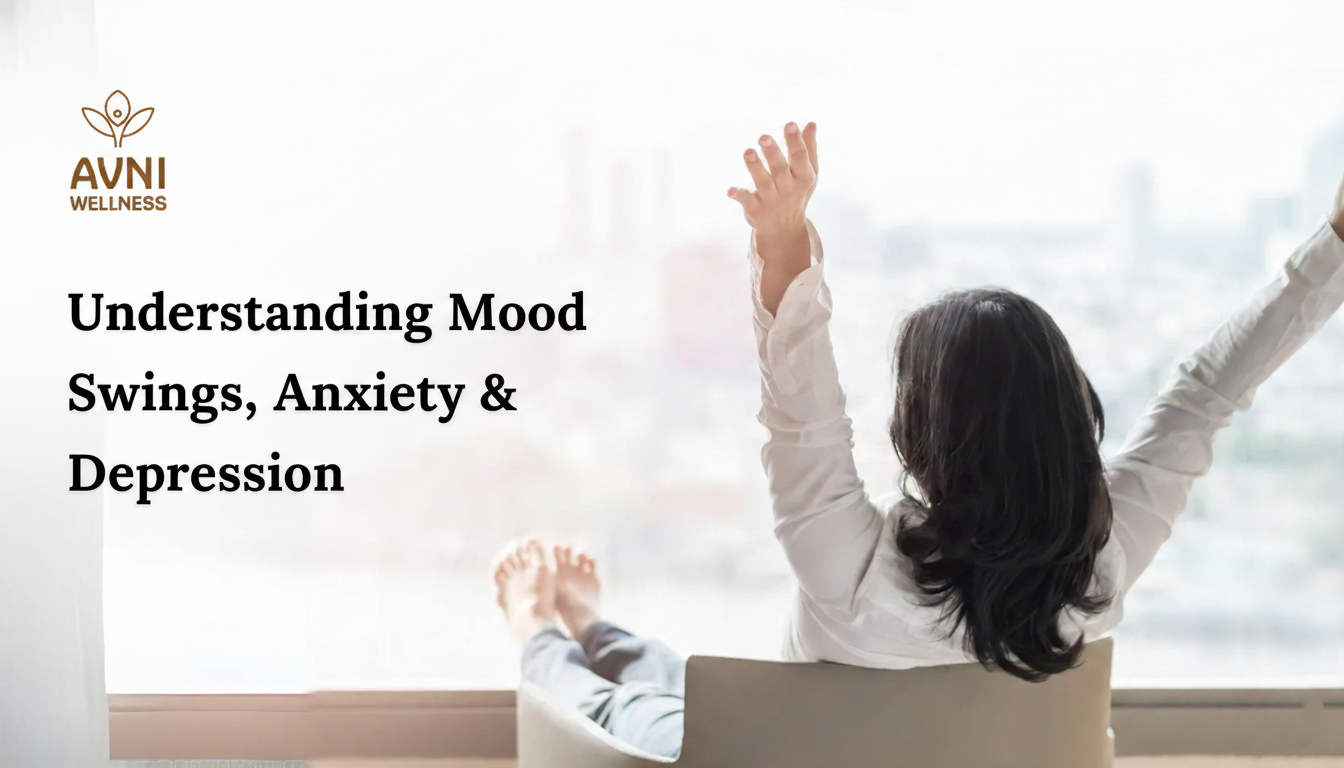
Menopause and Mental Health: Understanding Mood Swings, Anxiety & Depression
Menopause is a natural stage in a woman's life, not a disease. It signifies the end of menstrual cycles. A woman is considered to have reached menopause after not having a period for 12 consecutive months. This transition usually occurs between ages 45 and 55.
During menopause, the body gradually produces less estrogen and progesterone, hormones that regulate menstruation and reproductive health. These hormones also play a vital role in brain function, emotional control, sleep patterns, and overall mental well-being.
Due to these hormonal changes, many women face not only physical issues like hot flashes and night sweats but also emotional and psychological challenges. These mental health issues can include mood swings, anxiety, depression, irritability, brain fog, and sleep problems.
Understanding how menopause impacts mental health is crucial for recognizing symptoms early, providing effective treatment, and enhancing quality of life.
How Menopause Affects Mental Health
The connection between menopause and mental health primarily stems from hormonal changes. Estrogen affects serotonin levels, a neurotransmitter that regulates mood, sleep, and emotional stability.
When Estrogen Levels Drop:
- Serotonin levels decrease
- Mood regulation becomes erratic
- Anxiety and depressive symptoms may rise
- Sleep quality diminishes
Progesterone, another hormone that reduces during menopause, has calming effects.
A Decline in Progesterone Can Cause:
- Increased irritability
- Restlessness
- Insomnia
- Heightened stress response
These hormonal shifts can significantly impact emotional health, making women more susceptible to mental health issues during perimenopause and menopause.
Common Mental Health Symptoms During Menopause
- Mood swings
- Anxiety
- Depression
- Panic attacks
- Low motivation
- Irritability
- Brain fog
- Difficulty focusing
- Sleep disorders
- Reduced libido
- Low energy levels
Women who have faced depression or anxiety before may find their symptoms worsen during menopause. Additionally, midlife stressors like an empty nest, relationship changes, job stress, or loss of loved ones can increase emotional strain.
Understanding Menopausal Depression
Menopausal depression is more than just feeling sad occasionally. It can involve:
- Persistent low mood
- Loss of interest in activities
- Fatigue
- Changes in appetite
- Sleep disturbances
- Feelings of hopelessness
- Trouble focusing
While hormonal changes can trigger this depression, factors like chronic pain, sleep disorders, low blood sugar, and nervous system issues can also play a role. These symptoms often overlap with common menopausal discomforts, which can lead to misdiagnosis. Seeking a professional evaluation is critical for proper diagnosis and effective treatment.
Causes of Mood Swings During Menopause
1. Hormonal Changes
Fluctuating estrogen and progesterone levels directly affect brain chemistry.
2. Sleep Disruptions
Night sweats and insomnia reduce sleep quality, leading to irritability and fatigue.
3. Life Stressors
Midlife changes like divorce, caregiving responsibilities, job stress, or concerns about aging can escalate emotional strain.
4. Physical Health Conditions
Thyroid disorders, chronic pain, and metabolic imbalances may worsen depressive symptoms.
Identifying triggers can help women better manage mood swings.
Ways to Treat Mood Swings and Depression During Menopause
Managing menopausal mental health issues usually involves both medical support and lifestyle changes.
1. Identifying Physical Causes
The initial step is to rule out underlying physical issues such as:
- Thyroid imbalance
- Chronic pain conditions
- Sleep disorders
- Nutritional deficiencies
Addressing these factors often leads to improved emotional symptoms.
2. Managing Emotional Triggers
Recognizing triggers, whether they come from stress, trauma, or significant life changes, allows women to limit exposure to these stressors or find healthier ways to cope. Avoiding unnecessary stress and setting emotional boundaries can help reduce mood swings.
3. Healthy Coping Mechanisms
- Regular exercise
- Meditation and deep breathing
- Journaling
- Engaging in hobbies
- Reading
- Social support
- Balanced diet
- Limiting caffeine and alcohol
These practices help control stress hormones and boost serotonin levels naturally.
Medical Treatment Options for Menopausal Depression
1. Antidepressants
Antidepressants are frequently prescribed to help manage major depressive episodes during menopause. They work by balancing neurotransmitters like serotonin and norepinephrine.
Benefits May Include:
- Improved mood
- Reduced anxiety
- Relief from hot flashes
- Better sleep
Potential Side Effects:
- Nausea
- Restlessness
- Insomnia
- Low libido
- Dry mouth
- Constipation
- Blurred vision
- Drowsiness
- Low blood pressure
It’s vital to consult a licensed healthcare professional before starting any medication.
2. Psychotherapy
Psychotherapy, such as cognitive behavioral therapy (CBT), assists individuals in developing coping strategies for managing emotional responses to hormonal changes.
Benefits of Psychotherapy:
- Better emotional control
- Reduced anxiety and panic attacks
- Improved motivation
- Enhanced focus
- Pain management
- Increased resilience
Therapy offers structured support during this significant transition and can be especially effective when paired with medical treatment.
3. Hormone Replacement Therapy (HRT)
Hormone replacement therapy, especially estrogen therapy, may help ease both physical and emotional menopause symptoms.
Available Forms:
- Pills
- Patches
- Gels
- Creams
Benefits of HRT:
- Improve mood stability
- Decrease hot flashes
- Enhance sleep quality
Possible Risks:
- Increased risk of breast cancer
- Blood clots
- Cardiovascular issues
A detailed medical consultation is necessary to determine if hormone therapy is suitable.
Future Treatment and Prevention Approaches
1. Brain Stimulation Techniques
Magnetic brain stimulation, such as transcranial magnetic stimulation, is being explored as a non-invasive depression treatment without medication.
2. Personalized Hormonal Therapy
Future treatments might involve more customized hormone therapy based on individual genetic and hormonal profiles.
3. Preventive Mental Health Screening
Routine mental health screening during perimenopause may help identify risks earlier and avoid severe depression.
As awareness of these issues increases, treatment options are expected to improve, providing women with safer and more effective solutions.
When to Seek Professional Help
- Persistent sadness lasting more than two weeks
- Suicidal thoughts
- Severe anxiety or panic attacks
- Inability to carry out daily activities
- Extreme fatigue
- Sleep disruptions affecting health
Early intervention can improve outcomes and reduce long-term mental health risks.
Conclusion
Menopause is a natural transition, yet its effects on mental health should not be ignored. Hormonal changes significantly influence brain chemistry, increasing the vulnerability of women to depression, anxiety, and mood swings during this life phase.
Thankfully, a mix of lifestyle changes, psychotherapy, antidepressants, and hormone therapy can effectively manage symptoms. Consulting a licensed healthcare professional guarantees a safe and personalized treatment plan.
By understanding the link between menopause and mental health, women can take proactive steps to safeguard their emotional well-being and navigate this stage of life with confidence and strength.
FREQUENTLY ASKED QUESTION:
Q1.Can menopause cause depression?
Yes, menopause can increase the risk of depression. The drop in estrogen and progesterone affects serotonin levels in the brain, which regulates mood. Hormonal changes combined with midlife stressors can make women more vulnerable to depressive symptoms during perimenopause and menopause.
Q2.How long do mood swings last during menopause?
Mood swings can last throughout perimenopause and early menopause, which may span several months to a few years. The duration varies for each woman depending on hormonal fluctuations, stress levels, lifestyle, and overall health.
Q3.What is the best treatment for menopausal depression?
Treatment depends on the severity of symptoms. Common options include:
-
Antidepressant medications
-
Hormone Replacement Therapy (HRT)
-
Psychotherapy such as Cognitive Behavioral Therapy (CBT)
-
Lifestyle changes like exercise, healthy diet, and stress management
It’s important to consult a healthcare professional to determine the most suitable treatment plan.

Written by My Avni


Leave a comment
This site is protected by hCaptcha and the hCaptcha Privacy Policy and Terms of Service apply.