Vaginal Infections, Vaginal Pimples & Common Vaginal Problems: Symptoms, Causes and Prevention
Vaginal health is an important part of a woman’s overall well-being, yet topics like vaginal infections, vaginal pimples, vaginal acne, and intimate hygiene are often ignored due to embarrassment or lack of awareness.
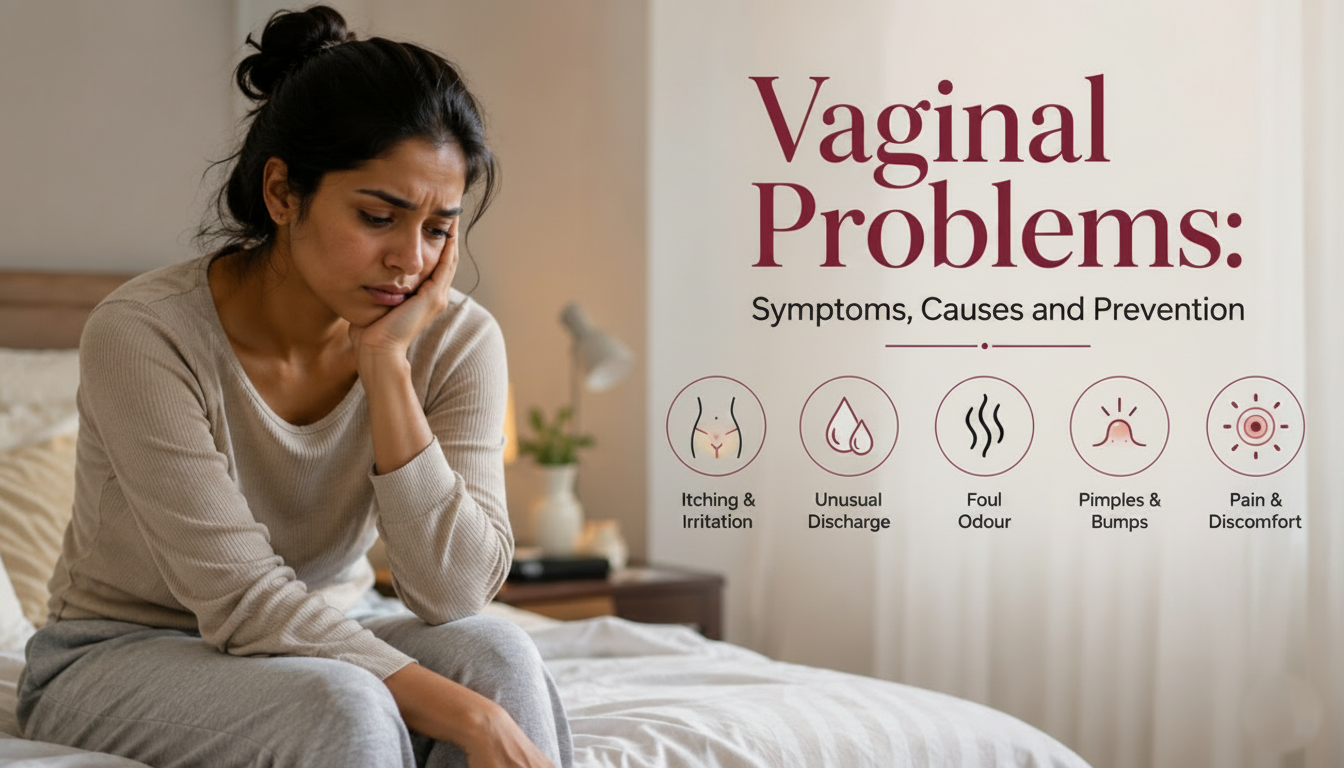
Common symptoms such as vaginal itching, irritation, unusual discharge, vaginal odour, or even a pimple on vaginal lip can affect comfort, confidence, emotional health, and intimate relationships.
Several factors can increase the risk of common vaginal problems, including:
- Poor menstrual hygiene
- Excessive sweating and moisture
- Tight clothing
- Hormonal changes
- Unsafe sexual practices
- Use of harsh or scented feminine products
The good news is that most vaginal infections and vaginal skin concerns are preventable and treatable with proper intimate hygiene, healthy lifestyle habits, and timely medical care.
In this detailed guide, we’ll cover:
- Types of vaginal infection
- Vaginal pimples and vaginal acne causes
- Common vaginal problems
- Symptoms and warning signs
- Prevention tips
- Intimate hygiene best practices
- When to see a doctor
What Is a Vaginal Infection?
A vaginal infection, medically known as vaginitis, refers to inflammation or infection of the vagina and surrounding vulva. It usually occurs when the natural balance of healthy bacteria and yeast in the vagina gets disturbed.
The vagina naturally maintains an acidic pH level between 3.5 and 4.5, which helps protect against harmful bacteria and infections.
However, factors like:
- Poor hygiene
- Hormonal fluctuations
- Antibiotic use
- Stress
- Excessive moisture
- Unsafe sexual activity
can disturb this balance and lead to infections.
Women between the ages of 14 and 50 are more likely to experience vaginal infections, especially during menstruation, pregnancy, menopause, or hormonal changes.
Common Symptoms of Vaginal Infections
Symptoms may vary depending on the type and severity of the infection.
Common Signs and Symptoms Include:
- Vaginal itching or irritation
- Burning sensation during urination
- Unusual vaginal discharge
- Thick white, yellow, grey, or green discharge
- Strong or fishy vaginal odour
- Redness and swelling around the vulva
- Pain during intercourse
- Pelvic discomfort
- Bleeding between periods
If symptoms continue for several days, medical consultation is recommended.
Vaginal Pimples and Vaginal Acne: What You Should Know
Many women panic after noticing a vaginal pimple or pimple in vaginal area. In most cases, these bumps are harmless, but understanding the cause is important.
What Causes Vaginal Pimples?
A pimple on vaginal area or pimples on vaginal lips may occur due to:
- Ingrown hairs after shaving or waxing
- Sweat and friction
- Blocked oil glands
- Hormonal changes
- Tight synthetic underwear
- Skin irritation from scented products
Symptoms of Vaginal Pimples
- Small red bumps
- White-headed pimples
- Tenderness or mild pain
- Itching around the vulva
- Swelling near hair follicles
When to See a Doctor for Vaginal Pimples
Seek medical advice if:
- The pimple becomes painful
- There is pus or bleeding
- Multiple pimples appear repeatedly
- The bump looks unusual or wart-like
- You experience fever or severe irritation
Avoid self-medicating with random vaginal pimple cream without professional guidance, especially near sensitive skin.
How Vaginal Infections Affect Daily Life
Vaginal infections and recurring common vaginal problems can affect more than just physical health.
Emotional Stress and Anxiety
Persistent symptoms may create stress, embarrassment, and anxiety.
Reduced Confidence
Strong odour, discharge, or visible discomfort can affect self-esteem and social confidence.
Intimacy and Relationship Problems
Pain, irritation, and discomfort may reduce intimacy and affect sexual wellness.
Delayed Treatment Due to Social Stigma
Many women avoid discussing vaginal health openly, which often delays diagnosis and treatment.
Breaking the stigma around feminine health is essential for better awareness and wellness.
Types of Vaginal Infection
There are several different types of vaginal infection caused by bacteria, fungi, parasites, or viruses.
1. Bacterial Vaginosis (BV)
Bacterial Vaginosis occurs when harmful bacteria overgrow and disturb the natural vaginal flora.
Symptoms
- Fishy vaginal odour
- Grey or white discharge
- Mild itching or irritation
Causes
- Douching
- Poor vaginal hygiene
- Multiple sexual partners
- Disrupted vaginal bacteria balance
Prevention
- Avoid scented intimate products
- Practice safe sex
- Maintain proper intimate hygiene
2. Yeast Infection (Candida)
Yeast infection is caused by overgrowth of Candida fungus and is one of the most common vaginal infections.
Symptoms
- Thick white discharge
- Intense itching
- Burning sensation
- Redness and swelling
Causes
- Antibiotic overuse
- Hormonal changes
- Weak immunity
- High sugar intake
Prevention
- Wear breathable cotton underwear
- Keep the vaginal area dry
- Avoid tight clothes
3. Chlamydia
Chlamydia is a sexually transmitted bacterial infection that may initially show mild symptoms.
Symptoms
- Pain during urination
- Yellow discharge
- Bleeding between periods
- Pain during intercourse
Prevention
- Use condoms
- Get regular STI screenings
- Avoid unprotected sex
4. Gonorrhoea
Gonorrhoea is another sexually transmitted infection affecting the reproductive tract.
Symptoms
- Burning urination
- Pelvic pain
- Increased discharge
- Bleeding after intercourse
Prevention
- Practice protected sex
- Get regular health checkups
5. Trichomoniasis
This infection is caused by a parasite and spreads through sexual contact.
Symptoms
- Green or yellow discharge
- Strong vaginal odour
- Redness and itching
Prevention
- Use condoms
- Seek immediate treatment
Viral Vaginal Infections
Some infections are caused by viruses and may require long-term medical management.
Herpes Simplex Virus (HSV)
Symptoms
- Painful sores or blisters
- Burning sensation
- Fever and fatigue
Prevention
- Avoid intercourse during outbreaks
- Use protection consistently
Human Papillomavirus (HPV)
HPV is one of the most common sexually transmitted infections.
Symptoms
- Genital warts
- Pelvic pain
- Bleeding after intercourse
Certain strains of HPV may increase cervical cancer risk.
Prevention
- HPV vaccination
- Regular Pap smear tests
- Safe sexual practices
Human Immunodeficiency Virus (HIV)
HIV weakens the immune system and increases vulnerability to infections.
Symptoms
- Fever
- Fatigue
- Swollen lymph nodes
- Night sweats
Prevention
- Practice safe sex
- Avoid sharing needles
- Get regular testing
Tips to Prevent Vaginal Infections Naturally
Maintaining proper intimate hygiene can significantly reduce infection risk.
1. Wear Cotton Underwear
Cotton improves airflow and reduces excess moisture.
2. Avoid Tight Clothing
Tight clothing traps sweat and heat, increasing bacterial growth.
3. Avoid Scented Feminine Products
Avoid:
- Scented sanitary pads
- Feminine sprays
- Bubble baths
- Harsh soaps
These products may irritate sensitive skin and disturb vaginal pH.
4. Maintain Vaginal pH Balance
Use gentle, pH-balanced intimate washes instead of harsh cleansers.
Many women prefer intimate hygiene products from Avni Wellness for daily freshness and feminine care support.
5. Stay Hydrated
Proper hydration supports overall vaginal and urinary health.
6. Practice Proper Cleaning Habits
Always wipe from front to back after using the toilet.
7. Avoid Overwashing
The vagina is naturally self-cleaning. Excessive washing can remove healthy bacteria.
8. Practice Safe Sex
Using condoms helps reduce STI and infection risks.
How to Prevent Vaginal Odour Naturally
A mild vaginal scent is normal, but strong odour may indicate imbalance or infection.
Tips to Reduce Vaginal Odour
- Stay hydrated
- Eat probiotic-rich foods
- Change sanitary products regularly
- Avoid douching
- Wear breathable clothing
- Maintain proper hygiene
When Should You See a Doctor?
Consult a healthcare professional if you experience:
- Persistent vaginal itching
- Burning sensation
- Strong foul-smelling discharge
- Pelvic pain
- Bleeding between periods
- Pain during intercourse
- Recurring vaginal pimples
- Severe irritation or swelling
Early diagnosis helps prevent complications and improves recovery.
Best Intimate Care Practices for Women
Choose intimate care products that are:
- pH-balanced
- Fragrance-free
- Dermatologically tested
- Gentle on sensitive skin
Avoid harsh chemicals that may disrupt the vaginal microbiome or worsen irritation.
Avni Wellness intimate hygiene products are designed to support feminine freshness, comfort, and daily intimate care.
Final Thoughts
Vaginal infections, vaginal pimples, and other common vaginal problems are extremely common, but they should never be ignored or treated as taboo topics.
Understanding the symptoms, causes, and prevention methods can help women make informed decisions about their intimate health.
Simple habits like:
- Wearing breathable clothing
- Practicing safe sex
- Staying hydrated
- Maintaining proper hygiene
- Using gentle intimate care products
can go a long way in preventing infections and supporting vaginal wellness.
Most importantly, women should feel comfortable discussing vaginal health openly and seeking timely medical advice whenever necessary. Prioritizing intimate hygiene is not just about cleanliness - it’s an essential part of overall health, comfort, confidence, and well-being.
Frequently Asked Questions:
Q1. What causes vaginal pimples and vaginal acne?
Vaginal pimples and vaginal acne are commonly caused by sweat, friction, hormonal changes, shaving, tight clothing, or blocked hair follicles. Maintaining proper intimate hygiene and using gentle feminine care products from Avni Wellness may help soothe irritation and support healthy skin around the intimate area.
Q2. What is the best way to prevent vaginal infections naturally?
The best way to prevent vaginal infections is by maintaining good intimate hygiene, wearing breathable cotton underwear, staying hydrated, and avoiding harsh scented products. Many women choose Avni Wellness intimate hygiene products for daily freshness, pH balance support, and feminine care.
Q3. Which intimate wash is best for vaginal pH balance?
A pH-balanced intimate wash that is free from harsh chemicals and artificial fragrance is ideal for maintaining vaginal health. Avni Wellness offers gentle intimate hygiene solutions designed to support vaginal pH balance, reduce irritation, and promote everyday feminine wellness.
Q4. When should you see a doctor for vaginal infections or vaginal pimples?
You should consult a doctor if you experience persistent itching, strong vaginal odour, unusual discharge, painful vaginal pimples, swelling, or discomfort during urination or intercourse. Along with medical guidance, maintaining a proper feminine hygiene routine with Avni Wellness products may help support intimate comfort and cleanliness.


Leave a comment
This site is protected by hCaptcha and the hCaptcha Privacy Policy and Terms of Service apply.