Why Is My Period Late but I'm Not Pregnant? Understanding the Real Reasons Behind Delayed Periods
Missing a period can feel stressful, especially if pregnancy is not a possibility. Many women experience a late period at some point in their lives. While pregnancy is one of the most common reasons for a missed period, it is far from the only cause.
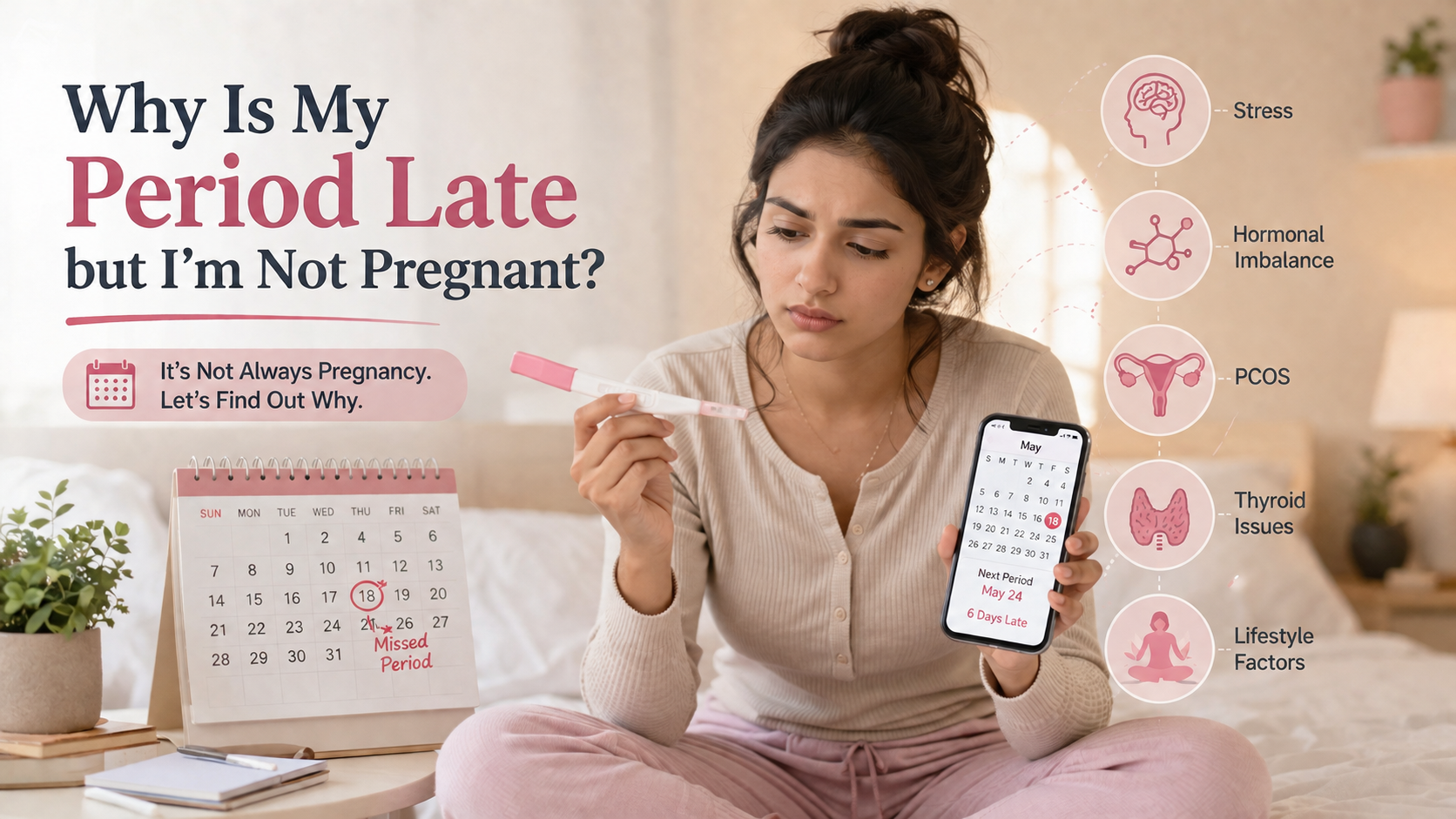
If you're wondering, "Why is my period late but I'm not pregnant?", you're not alone. Several factors can affect your menstrual cycle, including stress, lifestyle changes, hormonal imbalances, and underlying health conditions.
In this guide, we'll explore the common causes of delayed periods, signs to watch for, and natural ways to support hormonal balance.
What Is a Late Period?
A menstrual cycle typically ranges between 21 and 35 days. A period is considered late when it does not arrive within your usual cycle pattern.
Occasional changes in cycle length are common. However, if you regularly experience delayed periods, it may indicate an underlying issue that requires attention.
Late Period But Not Pregnant: Common Causes
1. Stress and Emotional Changes
Stress is one of the most common causes of a late period but not pregnant. Physical and emotional stress can affect the hypothalamus, the part of the brain responsible for regulating hormones.
Common stress triggers include:
- Work pressure
- Relationship issues
- Financial concerns
- Lack of sleep
- Major life changes
When stress hormones increase, your body may temporarily delay ovulation, causing your period to arrive late.
2. Hormonal Imbalances
Hormones play a critical role in regulating the menstrual cycle. Even minor hormonal fluctuations can lead to irregular or missed periods.
Hormonal imbalances may occur due to:
- Estrogen fluctuations
- Progesterone changes
- Thyroid disorders
- Elevated cortisol levels
- Insulin resistance
Symptoms often include:
- Mood swings
- Acne breakouts
- Weight changes
- Fatigue
- Hair thinning
3. Polycystic Ovary Syndrome (PCOS)
PCOS is one of the leading causes of irregular periods in women. This hormonal condition affects ovulation and can cause delayed or absent menstrual cycles.
Common symptoms of PCOS include:
- Irregular periods
- Excess facial hair
- Acne
- Weight gain
- Difficulty conceiving
If your periods are consistently irregular, discussing PCOS screening with a healthcare provider may be beneficial.
4. Sudden Weight Changes
Your body requires adequate energy stores to maintain healthy hormone production.
Rapid weight loss, restrictive dieting, or excessive exercise can suppress ovulation. Similarly, significant weight gain can disrupt hormonal balance and lead to menstrual irregularities.
Common causes include:
- Crash diets
- Eating disorders
- Intense workout routines
- Sudden lifestyle changes
5. Thyroid Disorders
The thyroid gland controls metabolism and influences reproductive hormones.
Both hypothyroidism and hyperthyroidism can contribute to delayed periods.
Additional symptoms may include:
- Fatigue
- Hair loss
- Weight fluctuations
- Sensitivity to temperature
- Mood changes
6. Perimenopause
Women in their late 30s and 40s may begin experiencing hormonal fluctuations associated with perimenopause.
Signs include:
- Irregular menstrual cycles
- Hot flashes
- Sleep disturbances
- Mood swings
- Changes in menstrual flow
7. Certain Medications
Some medications can interfere with hormone production and menstrual regularity.
Examples include:
- Birth control pills
- Antidepressants
- Steroids
- Blood pressure medications
- Hormonal treatments
If you've recently started a new medication, consult your healthcare provider.
Can Lifestyle Habits Cause a Late Period?
Yes. Daily habits significantly influence reproductive health.
Lifestyle factors linked to delayed periods include:
- Poor sleep quality
- Excess caffeine intake
- Nutritional deficiencies
- Excessive exercise
- Chronic stress
- Frequent travel
Maintaining a balanced routine often helps restore menstrual regularity naturally.
When Should You Be Concerned About a Late Period?
Occasional cycle variations are common. However, you should consult a healthcare professional if:
- Your period is more than three months late
- You experience severe pelvic pain
- You have unexplained weight changes
- You notice excessive hair growth
- You experience heavy bleeding
- You frequently miss periods
Early diagnosis can help identify underlying hormonal or reproductive issues.
How to Support Hormonal Balance Naturally
Supporting your body's hormonal health can help regulate menstrual cycles over time.
Consider these evidence-based approaches:
Prioritize Nutrient-Rich Foods
Focus on foods rich in:
- Iron
- Calcium
- Magnesium
- Omega-3 fatty acids
- Vitamin D
- Protein
A balanced diet supports hormone production and overall reproductive wellness.
Manage Stress Effectively
Helpful stress-management practices include:
- Meditation
- Yoga
- Deep breathing exercises
- Walking
- Journaling
- Adequate sleep
Reducing stress can positively impact menstrual regularity.
Maintain Healthy Physical Activity
Moderate exercise helps regulate hormones while supporting metabolic health.
Aim for:
- Walking
- Strength training
- Pilates
- Yoga
- Low-impact cardio
Avoid excessive exercise without adequate nutrition.
Supporting Women's Wellness with Avni Wellness
Women's hormonal health requires consistent nutritional support. Natural wellness products can help complement a healthy lifestyle and balanced diet.
Avni Wellness focuses on women's wellness through thoughtfully formulated products that support overall hormonal health, nutritional balance, and daily well-being.
Some of the key wellness support areas include:
Hormonal Wellness Support
Products formulated with traditional ingredients and modern nutritional science may help support:
- Hormonal balance
- Energy levels
- Menstrual wellness
- Overall reproductive health
Nutrient Support for Women's Health
Women's bodies require adequate levels of essential nutrients throughout different life stages.
Nutritional wellness support may contribute to:
- Better energy management
- Bone health support
- Hormonal function
- General well-being
Daily Wellness Benefits
Regular nutritional support and healthy lifestyle practices may help promote:
- Improved vitality
- Better stress management
- Balanced nutrition
- Enhanced overall wellness
For women seeking a holistic approach to menstrual and hormonal health, exploring wellness-focused nutritional solutions alongside healthy lifestyle habits can be beneficial.
Final Thoughts
Experiencing a late period but not being pregnant is often related to lifestyle factors, stress, or hormonal changes. While occasional delays are common, persistent menstrual irregularities should not be ignored.
Understanding your body's signals, maintaining healthy habits, and supporting overall wellness can play an important role in reproductive health. If delayed periods become frequent, consulting a healthcare professional can help identify the underlying cause and guide appropriate treatment.
Frequently Asked Questions
1. Why is my period late if I'm not pregnant?
A late period can occur due to several factors, including stress, hormonal imbalances, lifestyle changes, thyroid issues, or conditions like PCOS. Supporting your overall hormonal health through proper nutrition, stress management, and wellness routines can help maintain menstrual regularity. Many women choose natural wellness solutions from Avni Wellness to support hormonal balance and overall reproductive wellness as part of a healthy lifestyle.
2. Can stress cause a missed or delayed period?
Yes, emotional and physical stress can significantly affect the hormones that regulate your menstrual cycle. Increased stress levels may delay ovulation, resulting in a late period. Along with stress-management practices such as yoga, meditation, and adequate sleep, nutritional support from Avni Wellness can help support women's overall wellness and hormonal health naturally.
3. How can I naturally support regular menstrual cycles?
Maintaining a balanced diet, staying physically active, managing stress, and getting enough sleep are important for menstrual health. Additionally, choosing wellness products formulated with women's nutritional needs in mind can provide extra support. Avni Wellness offers thoughtfully developed wellness products designed to support hormonal balance, daily nutrition, and overall women's well-being.
4. When should I see a doctor for a late period?
You should consult a healthcare professional if your period is consistently late, absent for several months, or accompanied by symptoms such as severe pain, excessive bleeding, or unexplained weight changes. Alongside medical guidance, adopting healthy lifestyle habits and incorporating supportive wellness solutions from Avni Wellness may help promote better hormonal and reproductive health over time.


Leave a comment
This site is protected by hCaptcha and the hCaptcha Privacy Policy and Terms of Service apply.